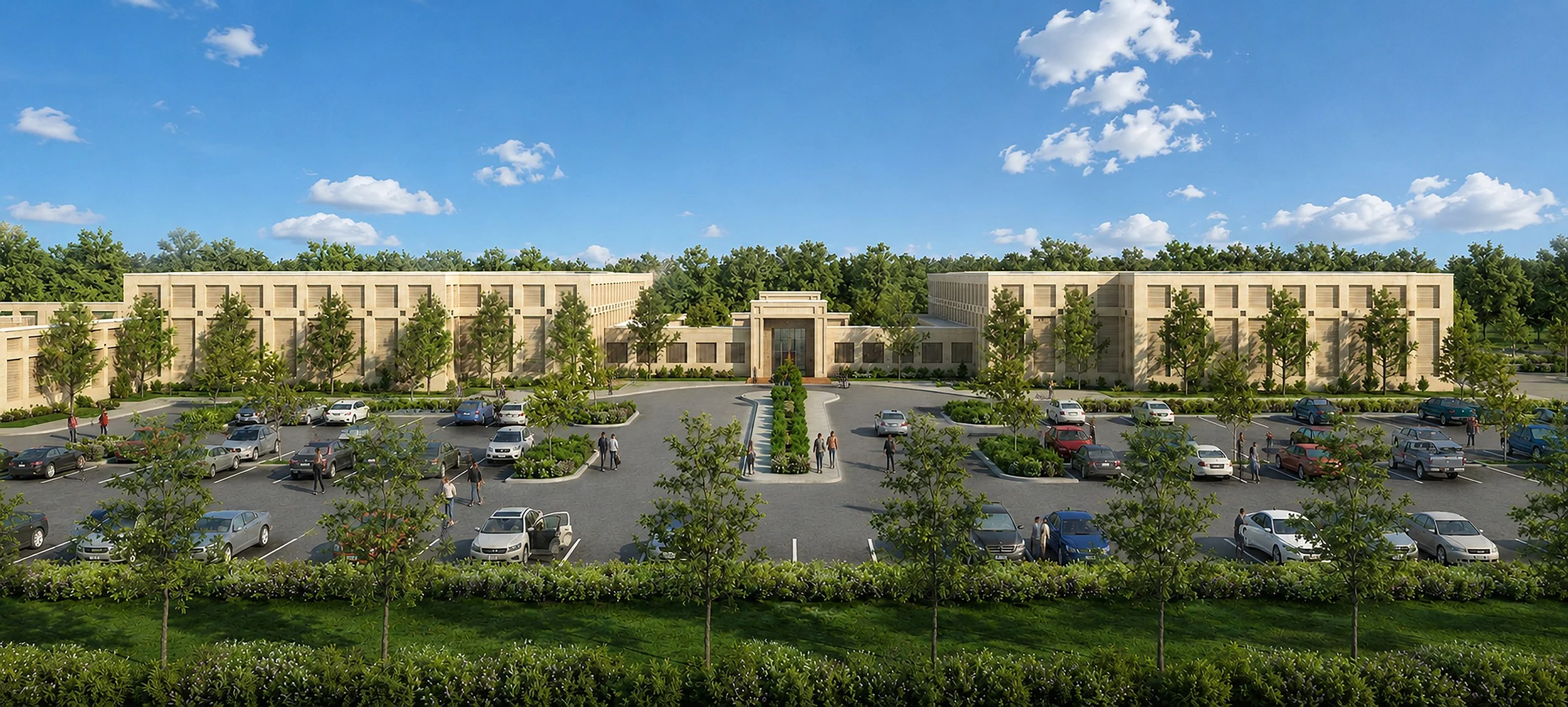
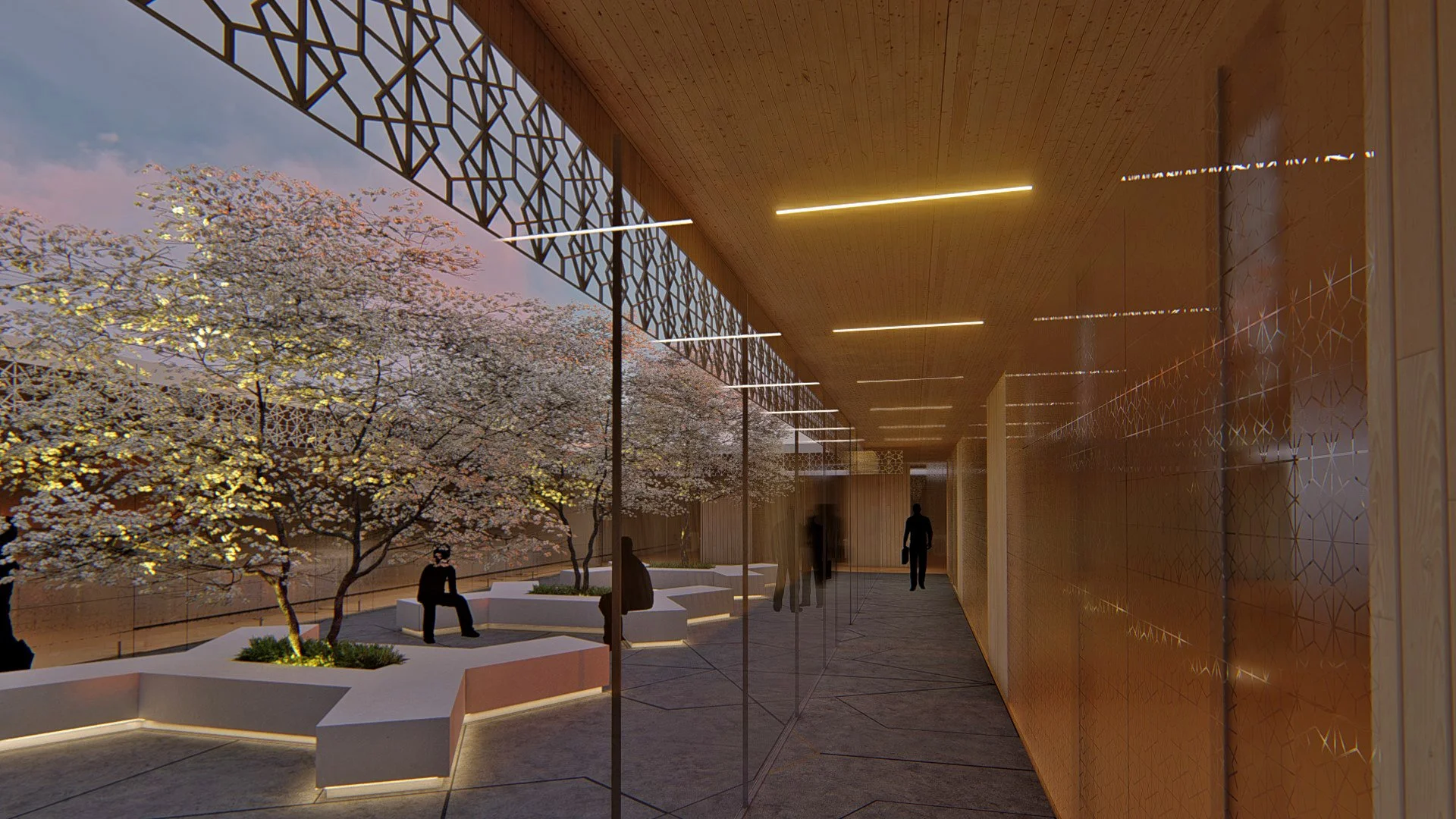
Project Name: Laval Jamatkhana and Centre
Location: Laval, Quebec, Canada
Size: 44,000 sq. ft.
Status: Under Construction
Award: International Design Award – Bronze (Architecture)
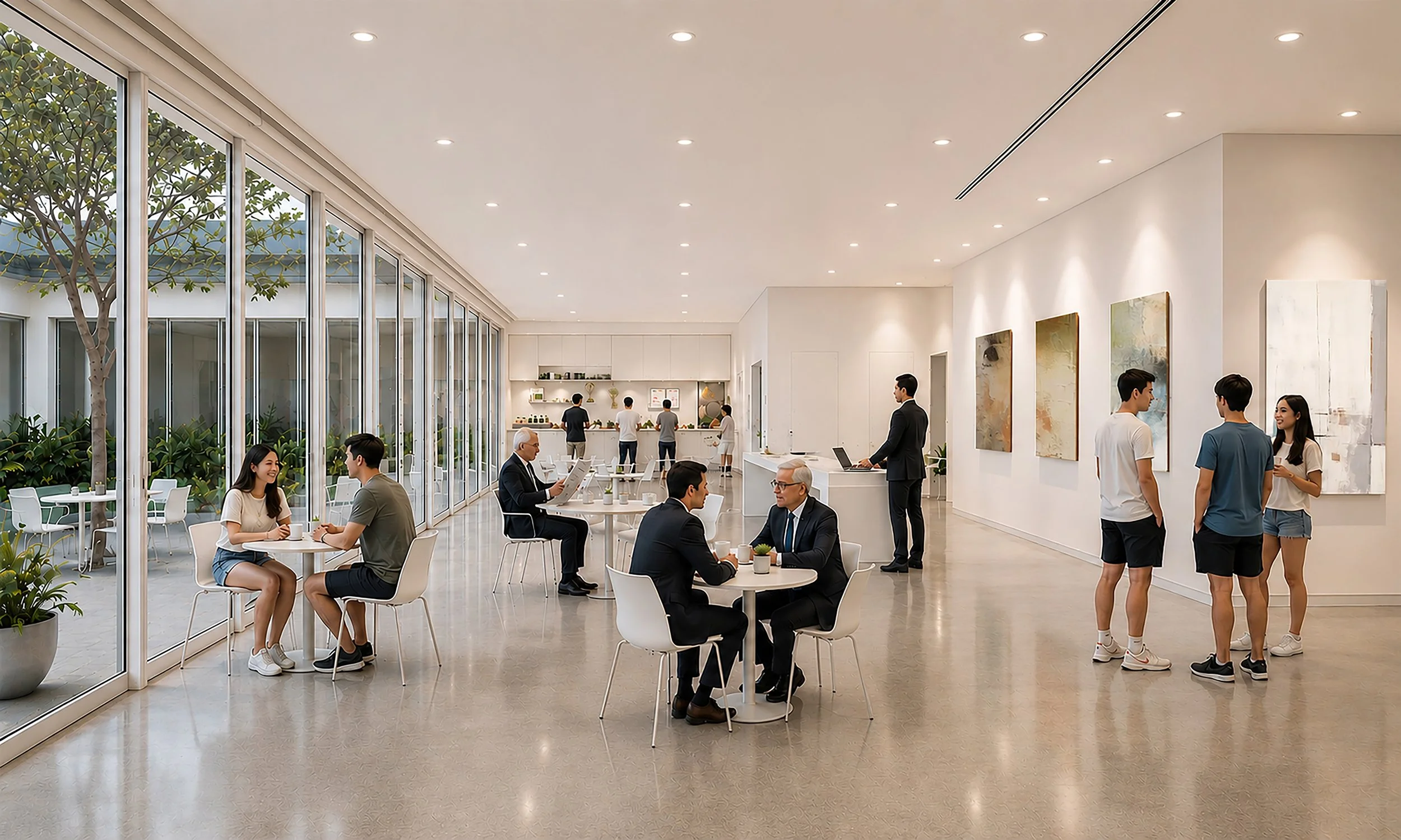
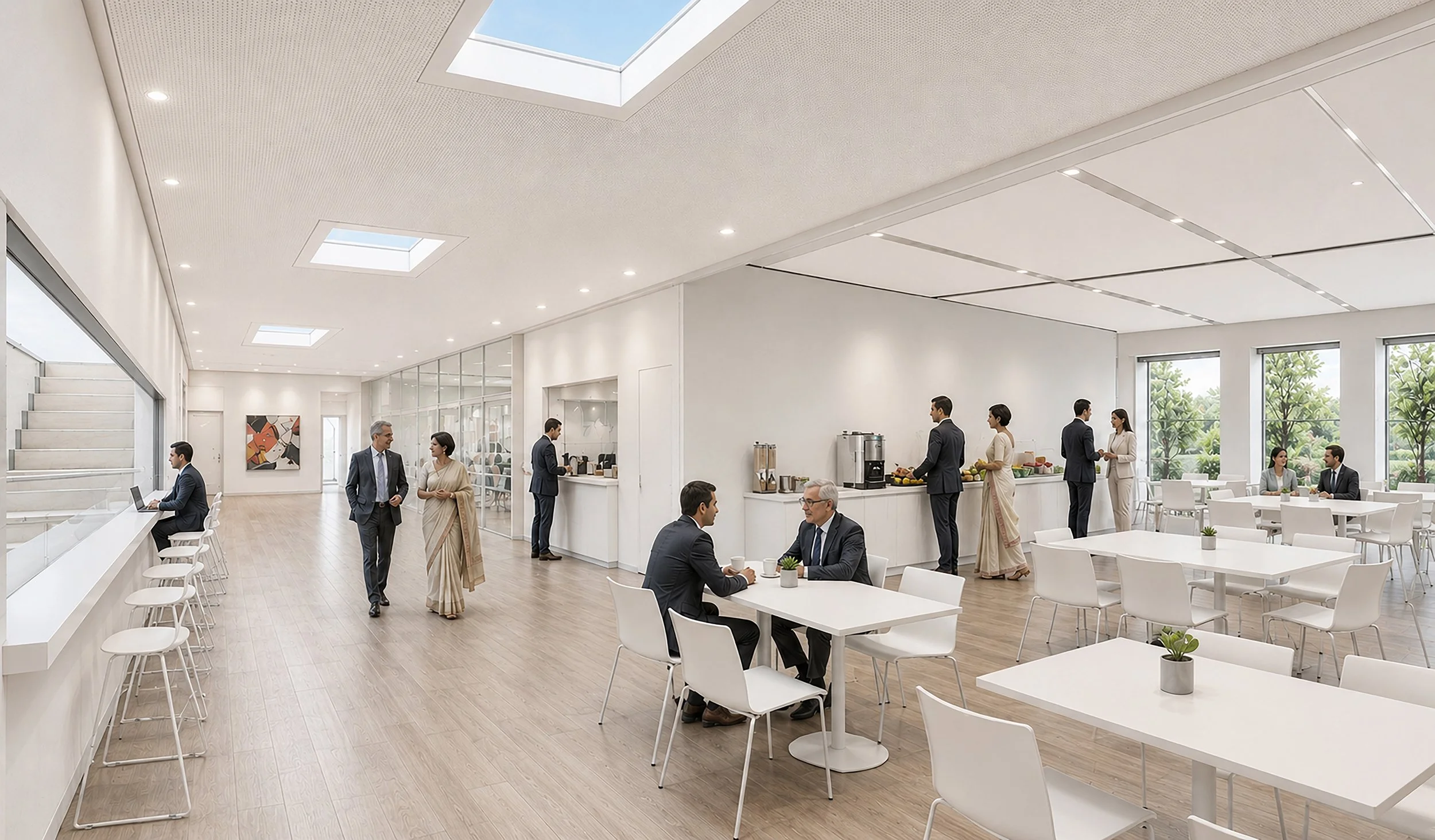
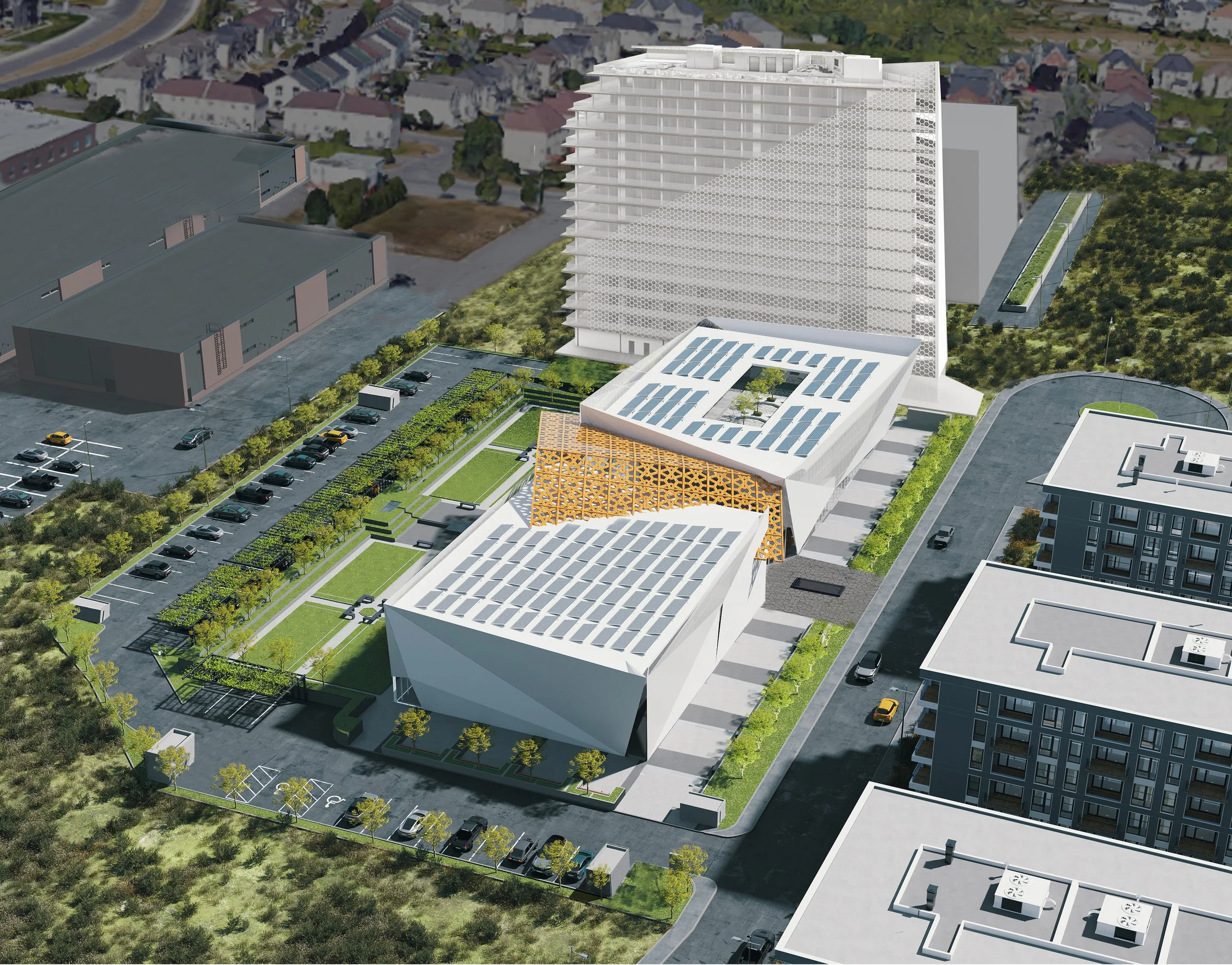
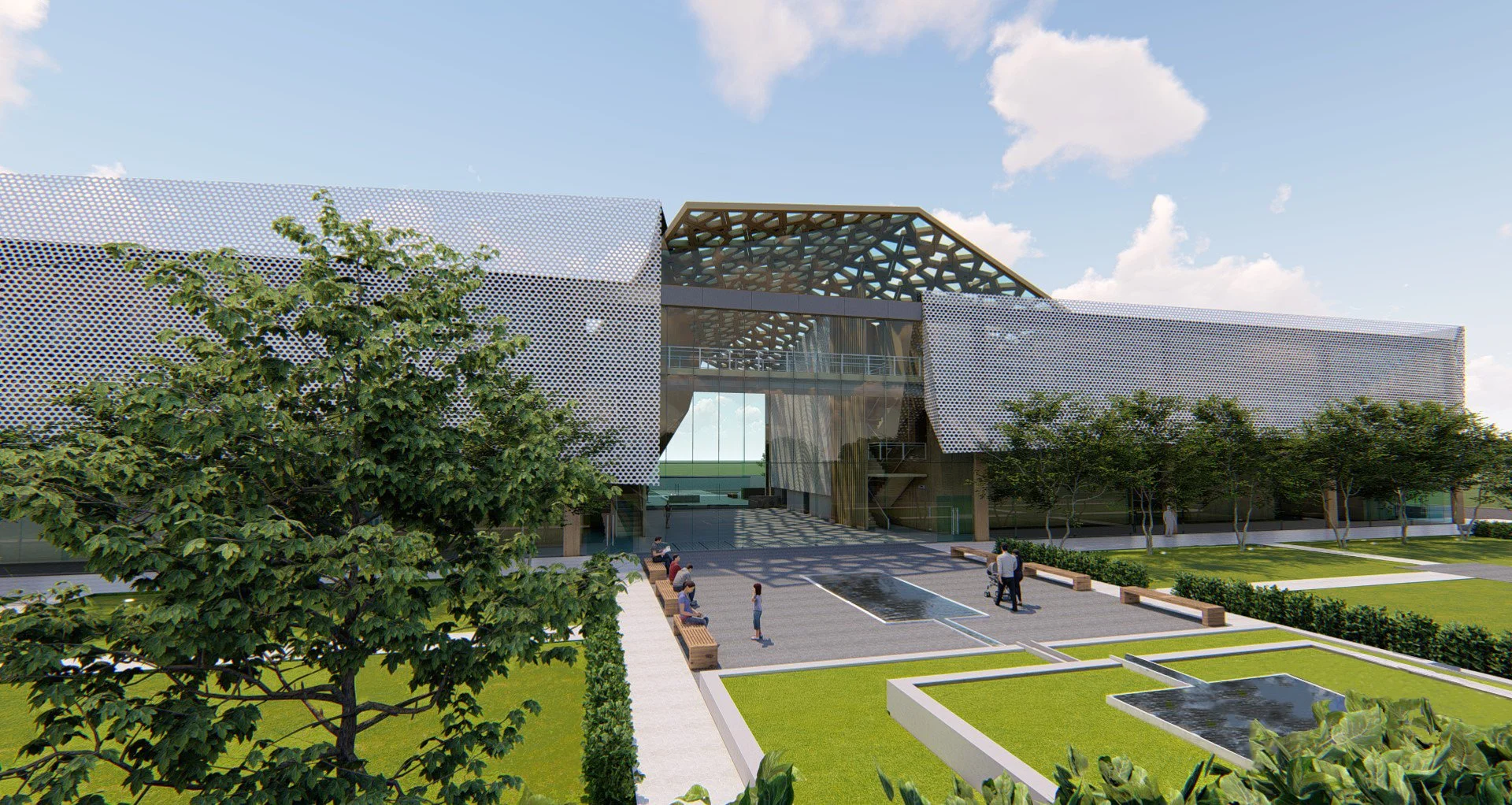
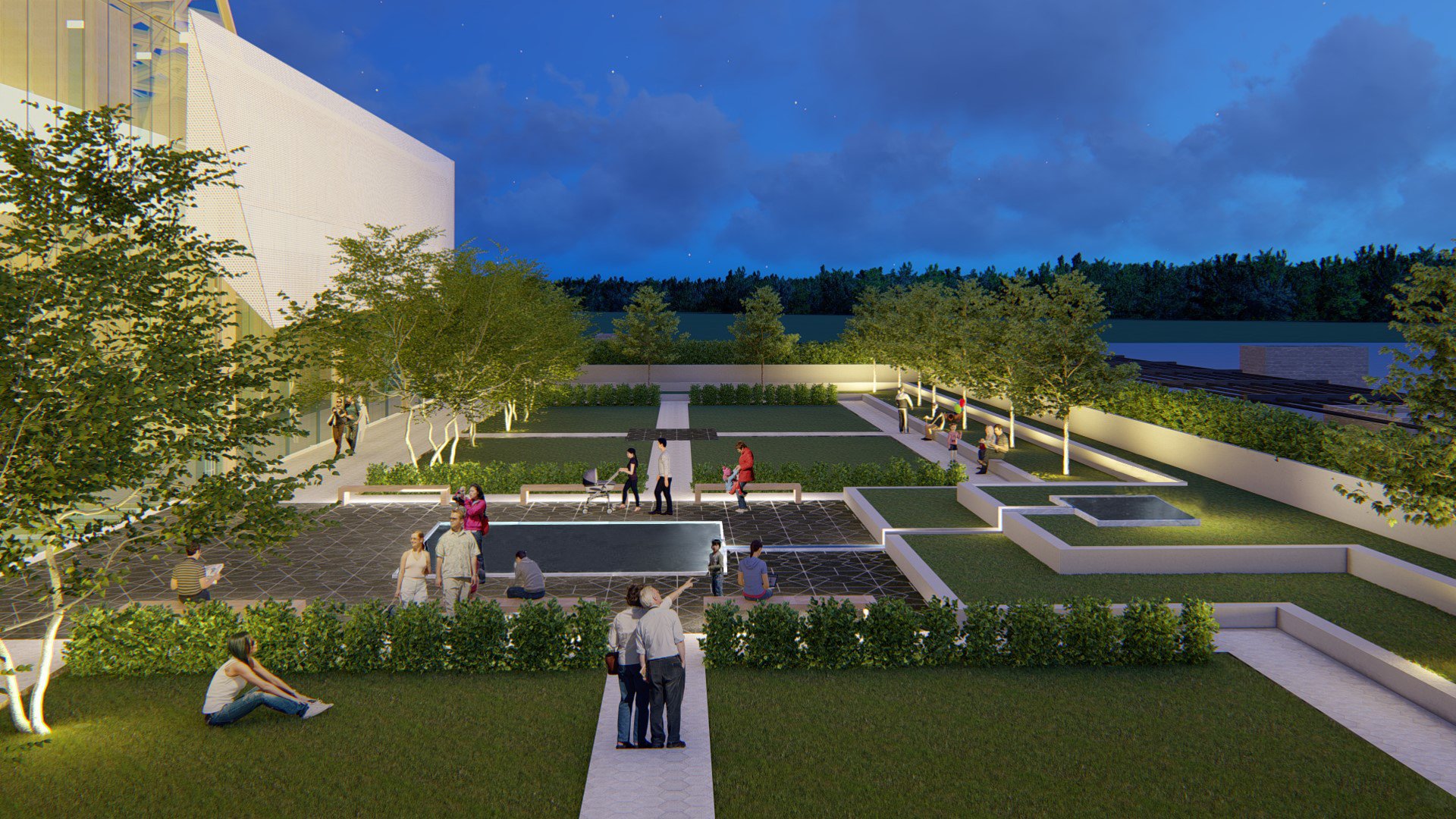
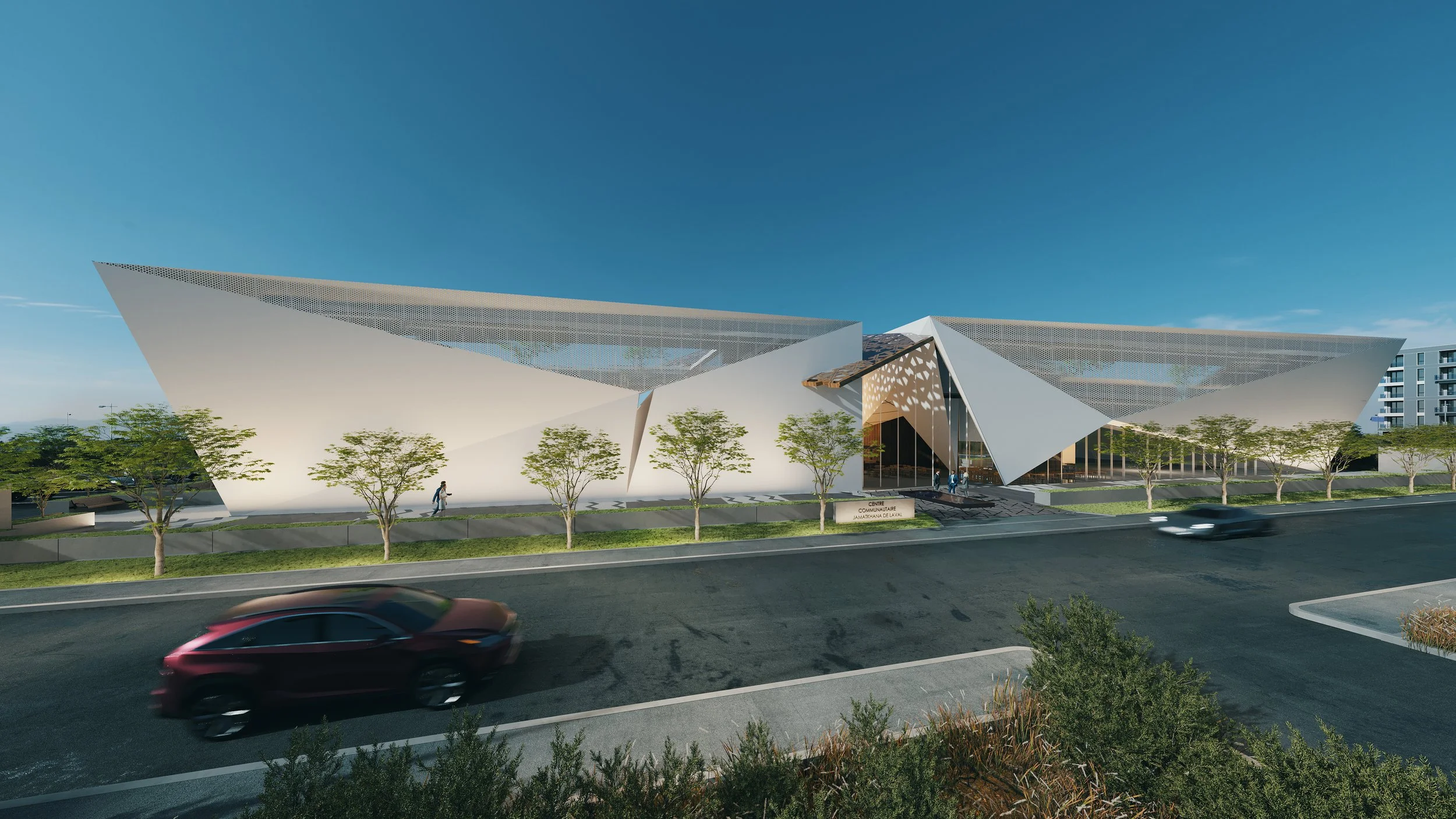
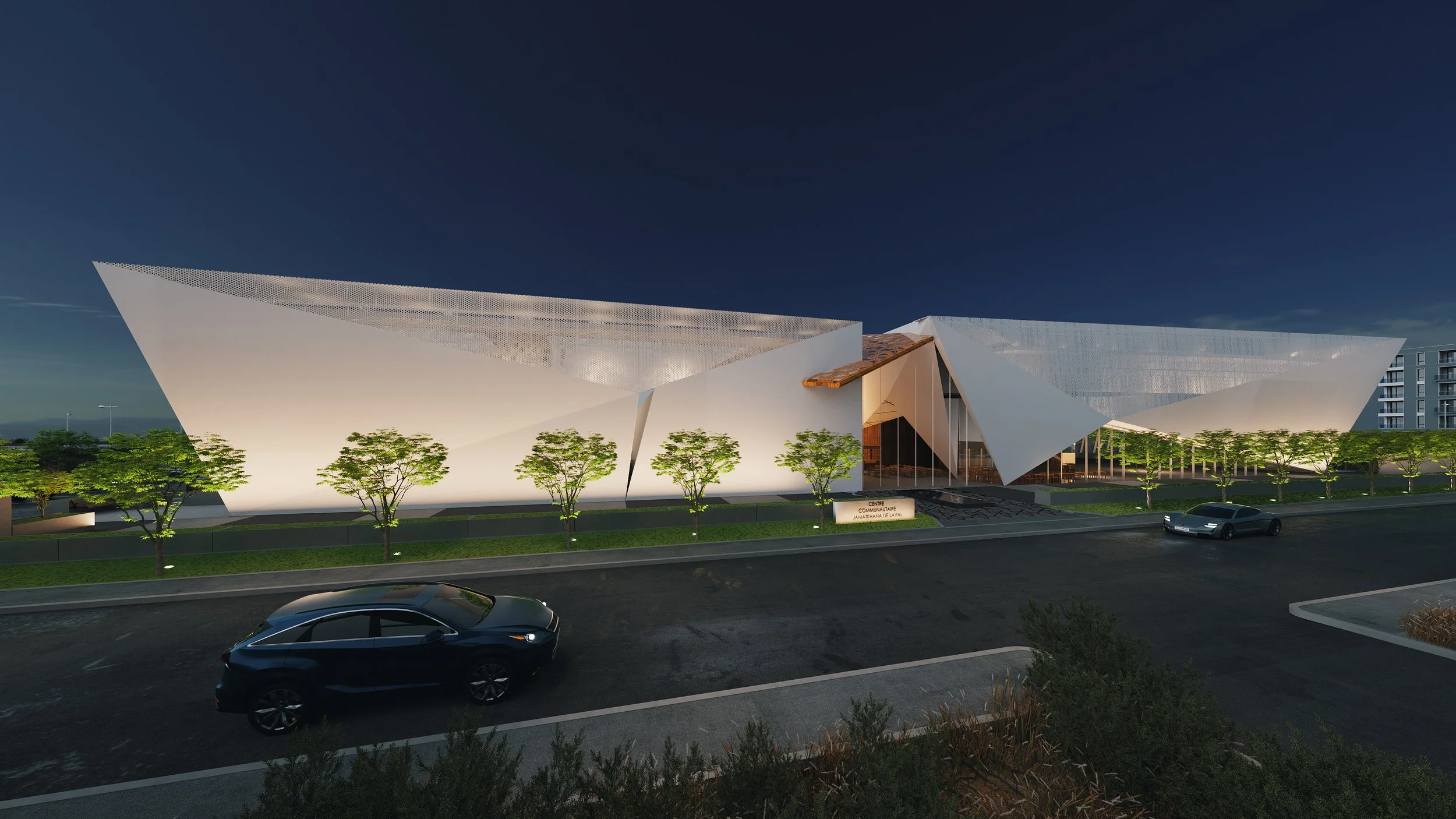
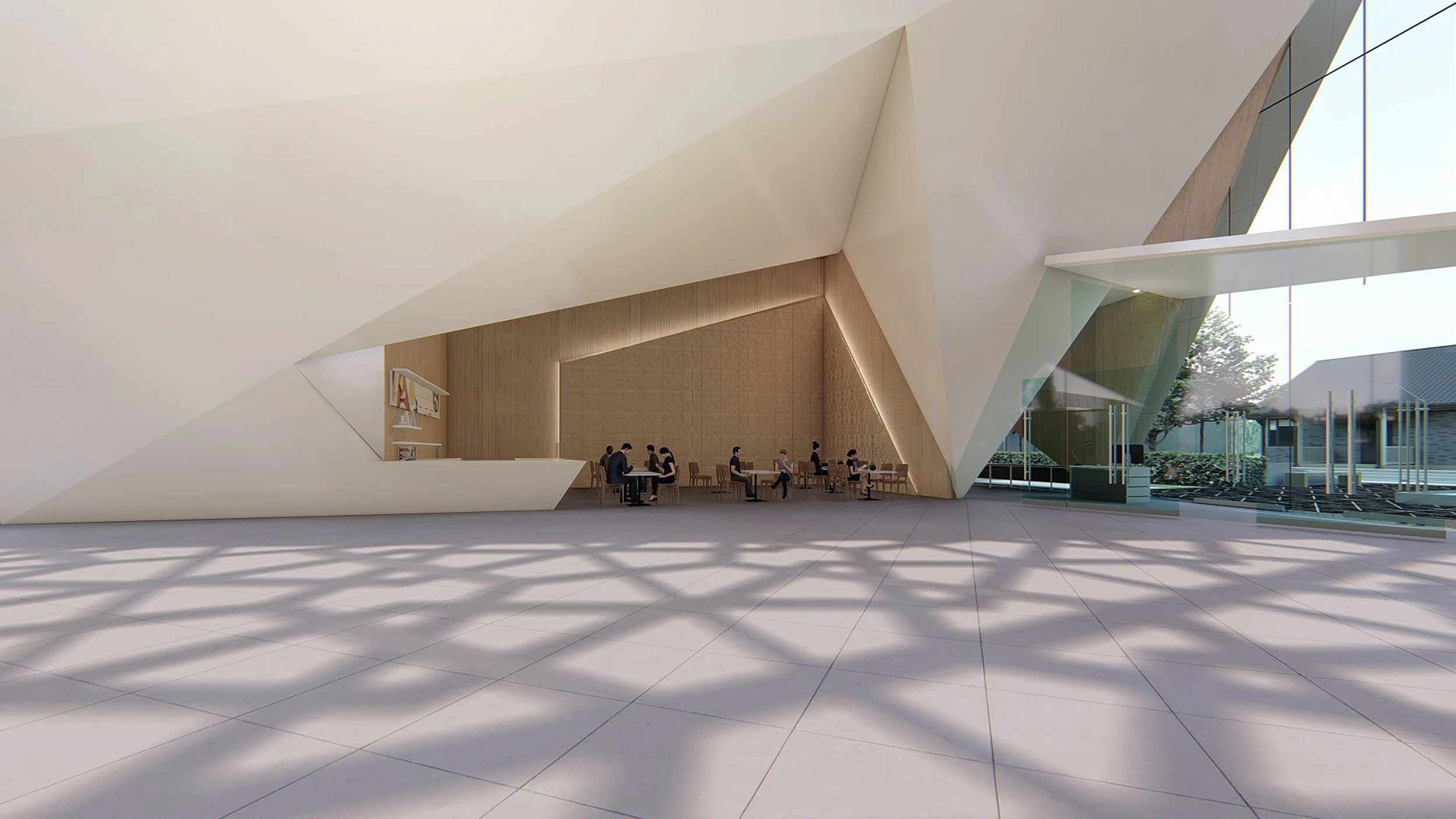
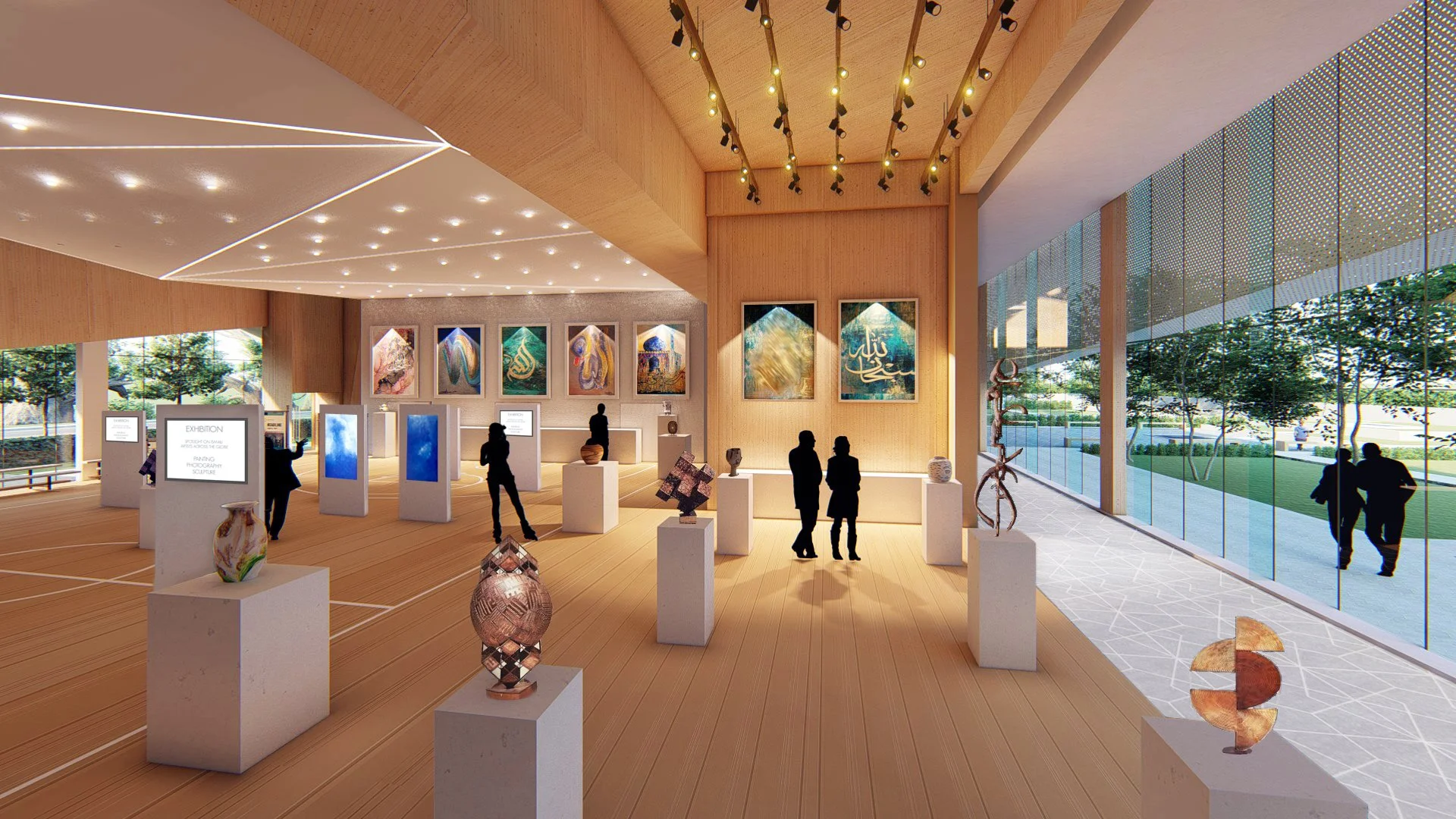
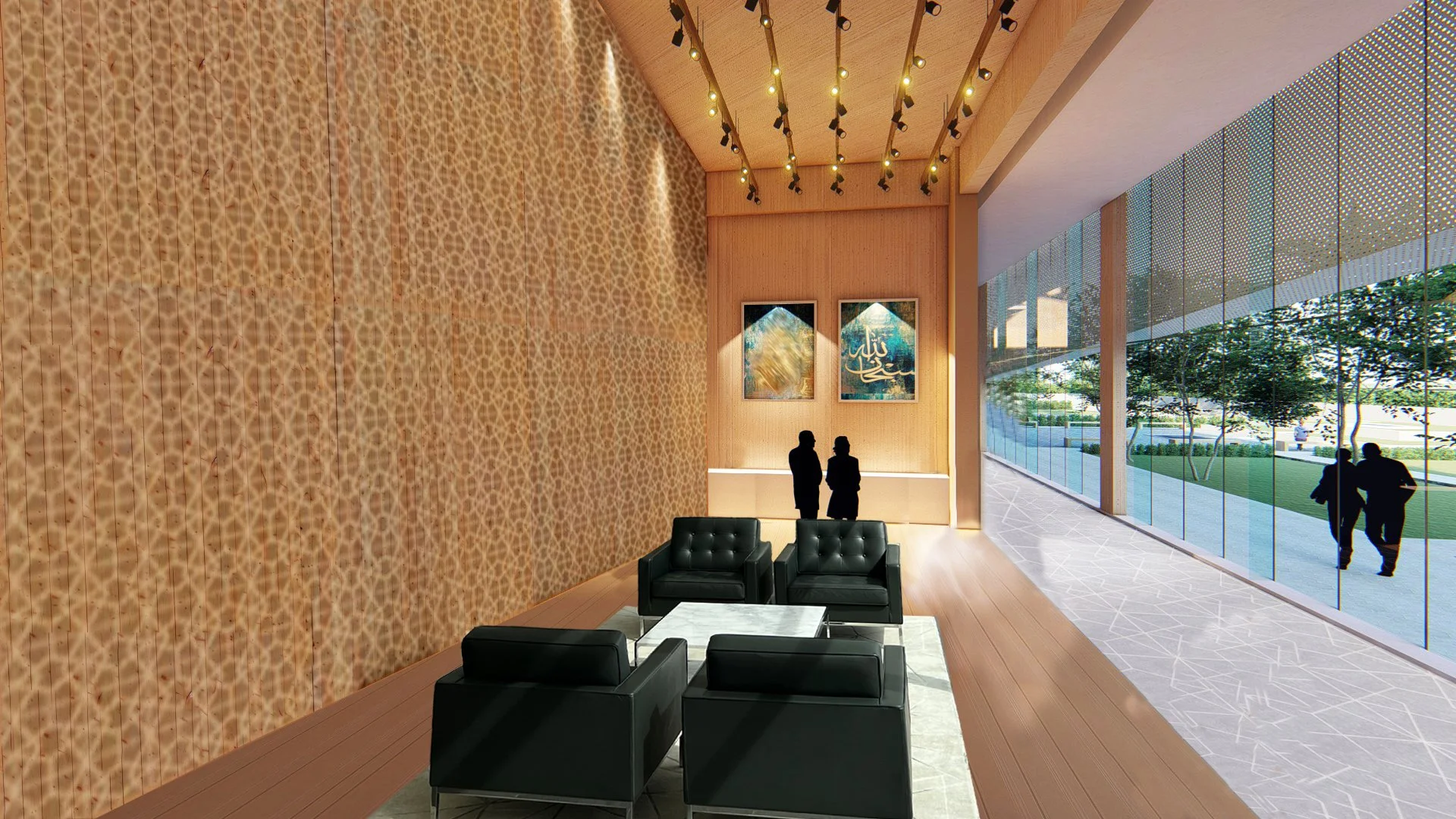
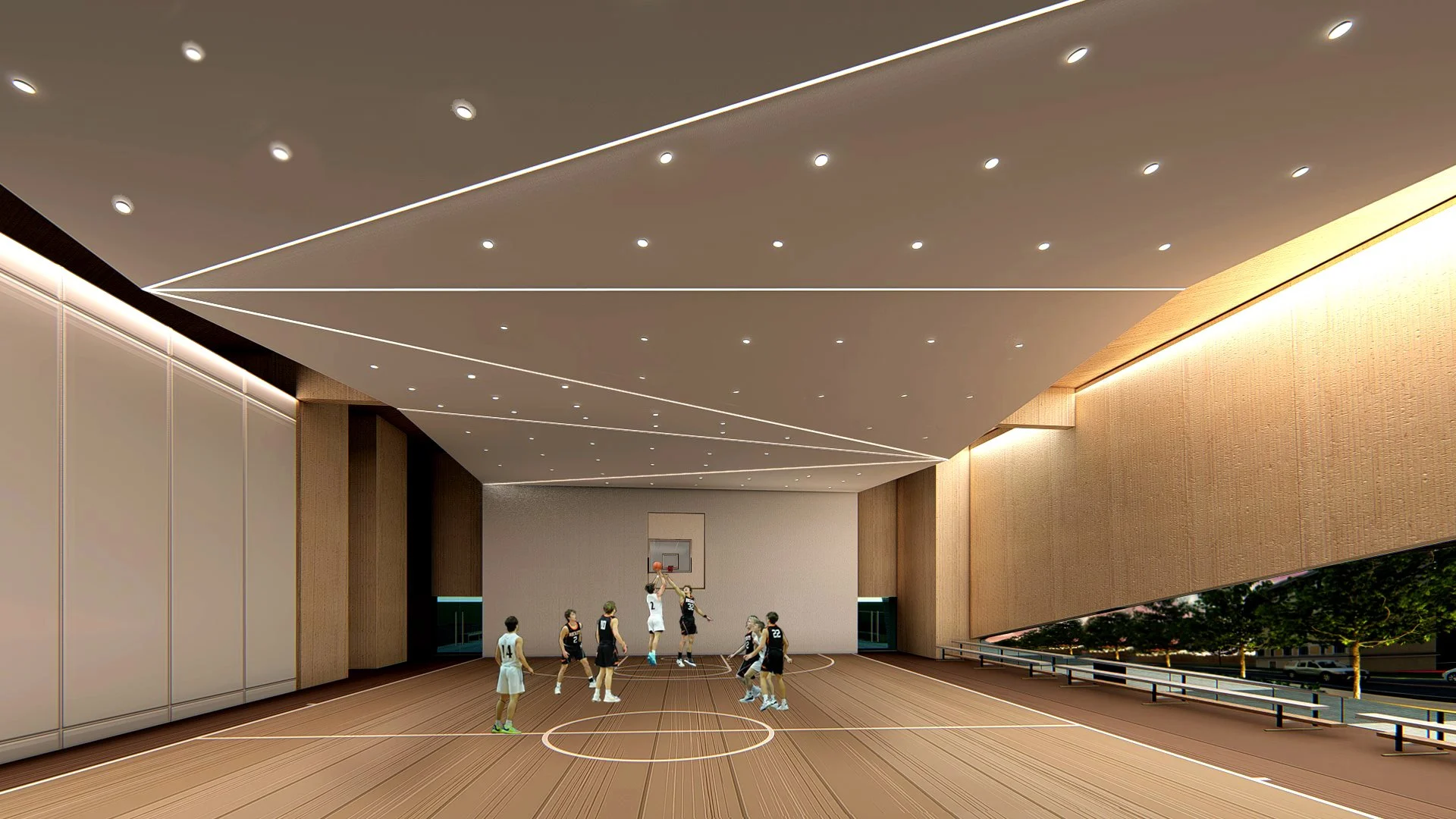
The Laval Jamatkhana and Centre is a visionary landmark that brings together faith, community, and sustainability. Designed as both a spiritual sanctuary and a welcoming civic space, it reflects the rich diversity of Canada and the multicultural spirit of Laval.
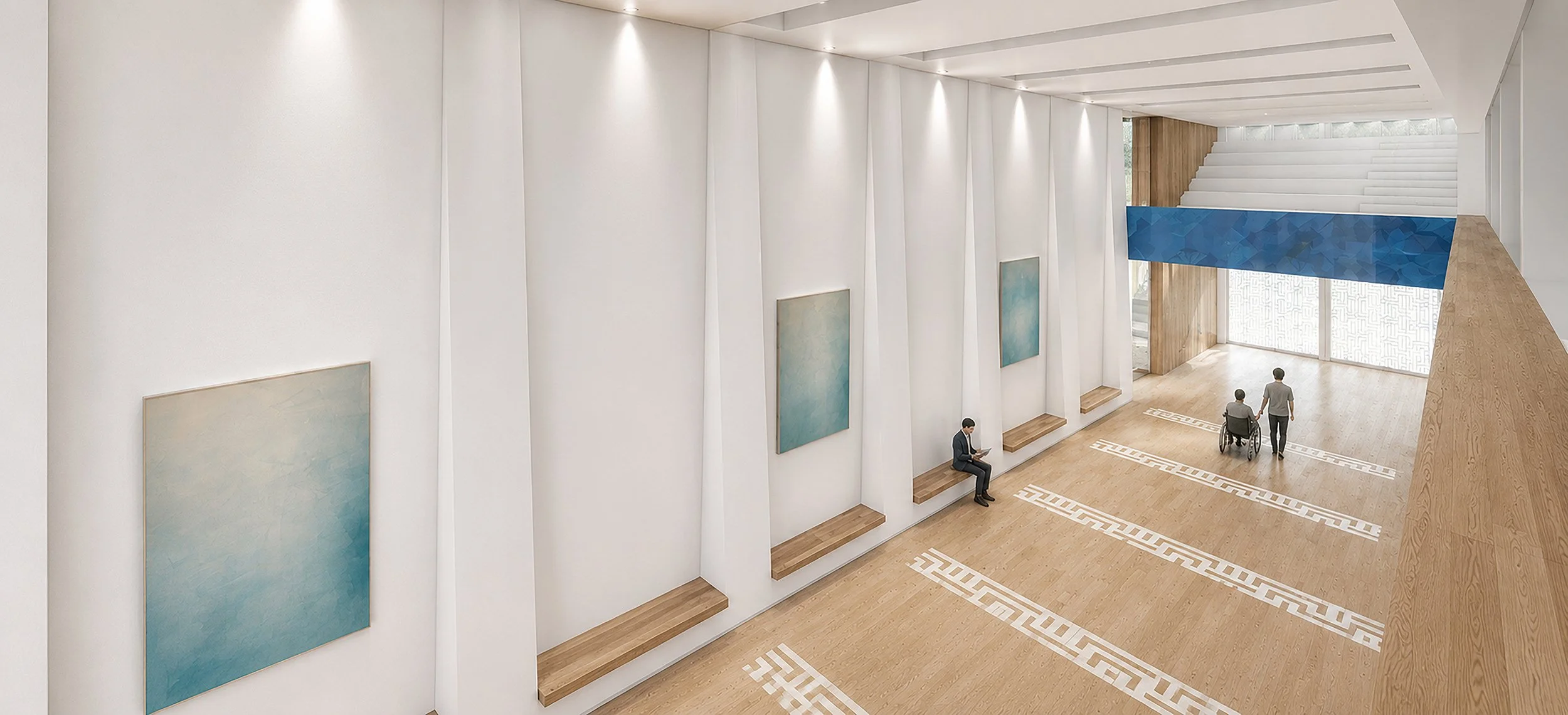
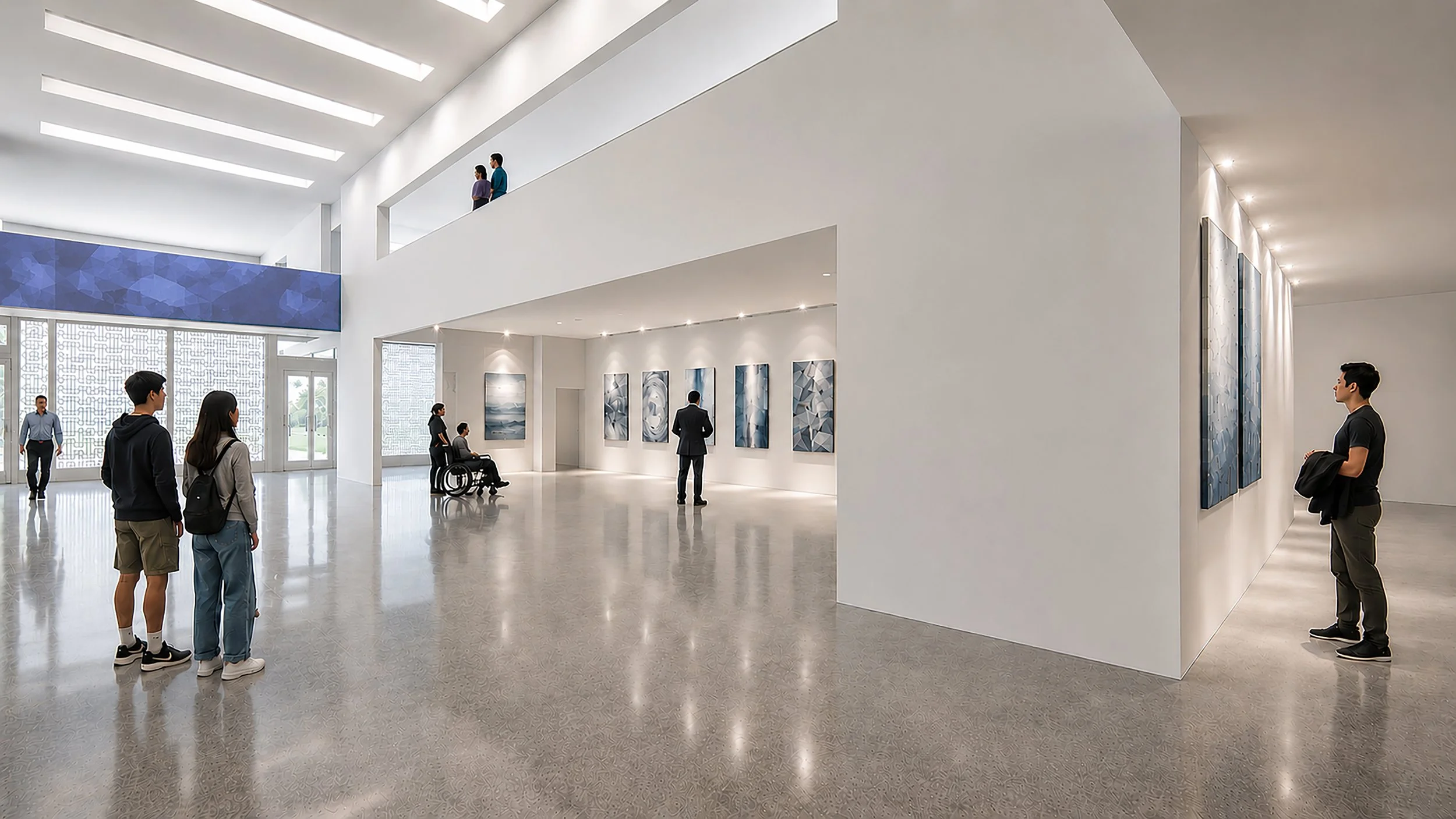
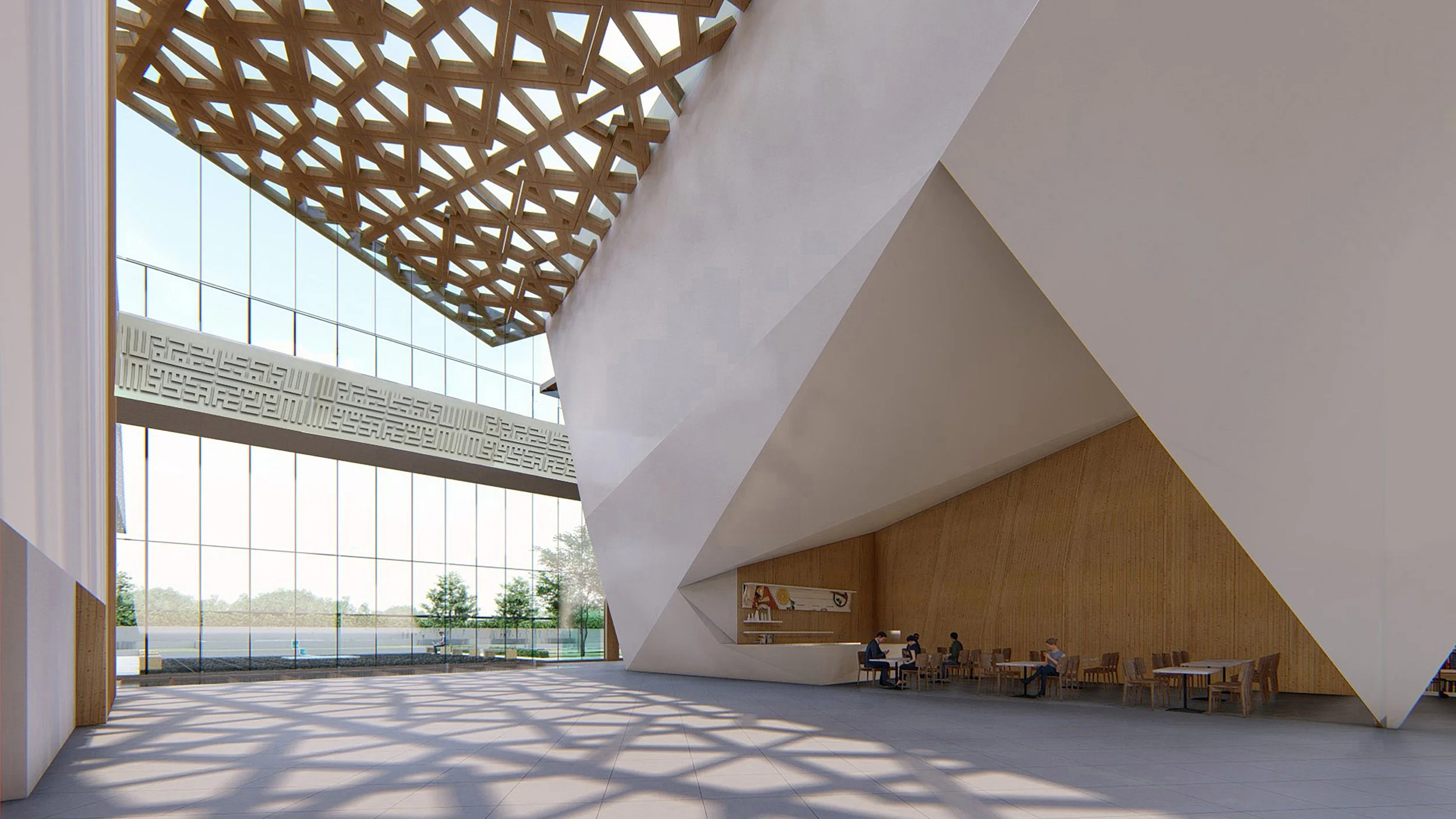
Defined by its sculptural form and a luminous central atrium, the architecture creates a powerful sense of openness, connection, and spiritual movement. Set within landscaped courtyards and water features, the project offers a serene yet vibrant environment for gathering, reflection, and exchange.
Guided by AKDN’s Net Zero ambitions, the design integrates mass timber construction, Passive House principles, and advanced renewable energy systems. The result is a forward-looking, sustainable destination, an enduring place of worship, learning, and community for generations to come.

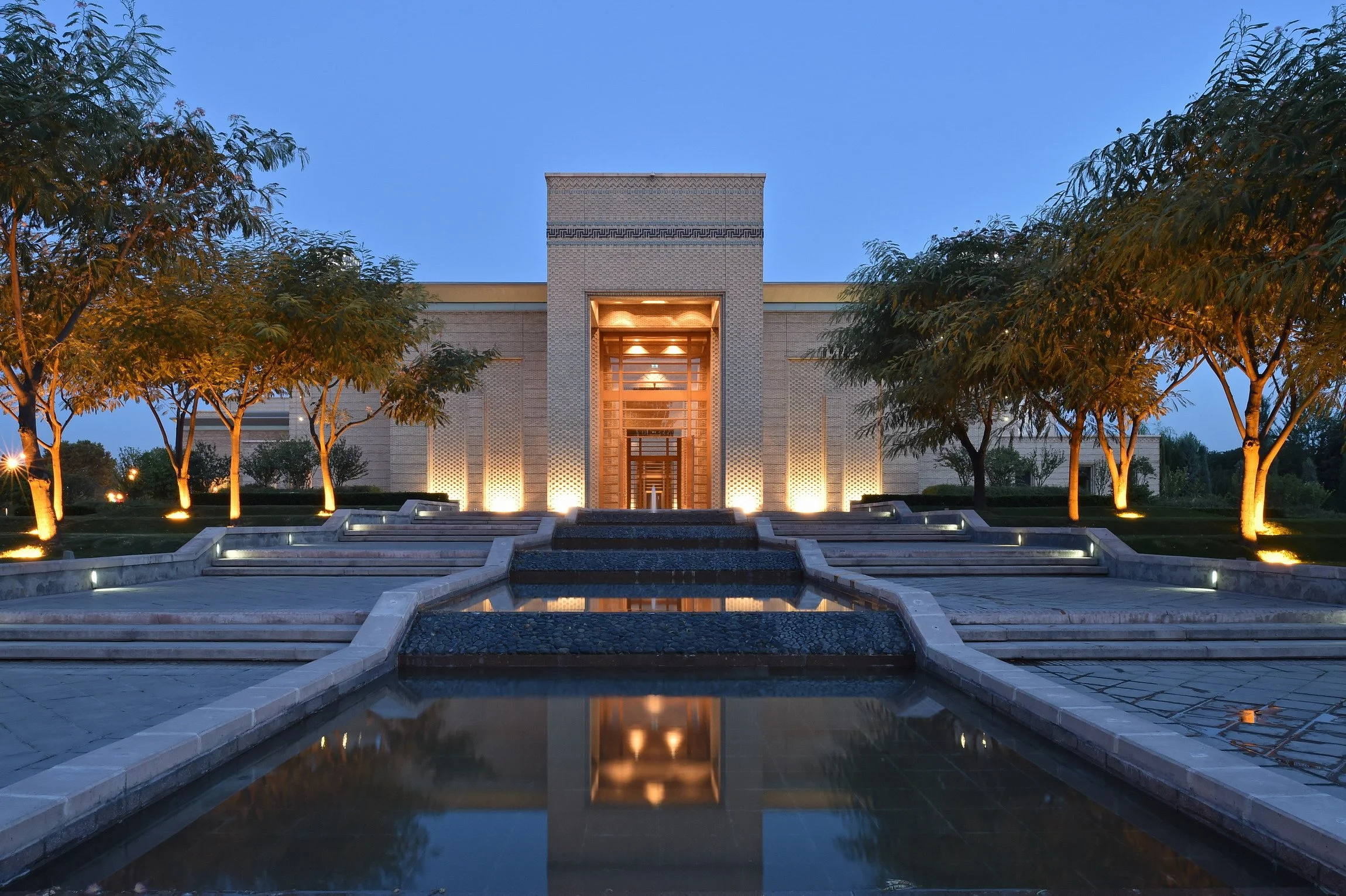
Project: Ismaili Centre Dushanbe Location: Dushanbe, Tajikistan
Building Area: 80,000 sq. Completion: 2009
Awards: Gold Medals for Architecture and Interior Design from the Central Asian Chapter of the International Union of Architects, recognizing its architectural excellence and contribution to regional cultural identity
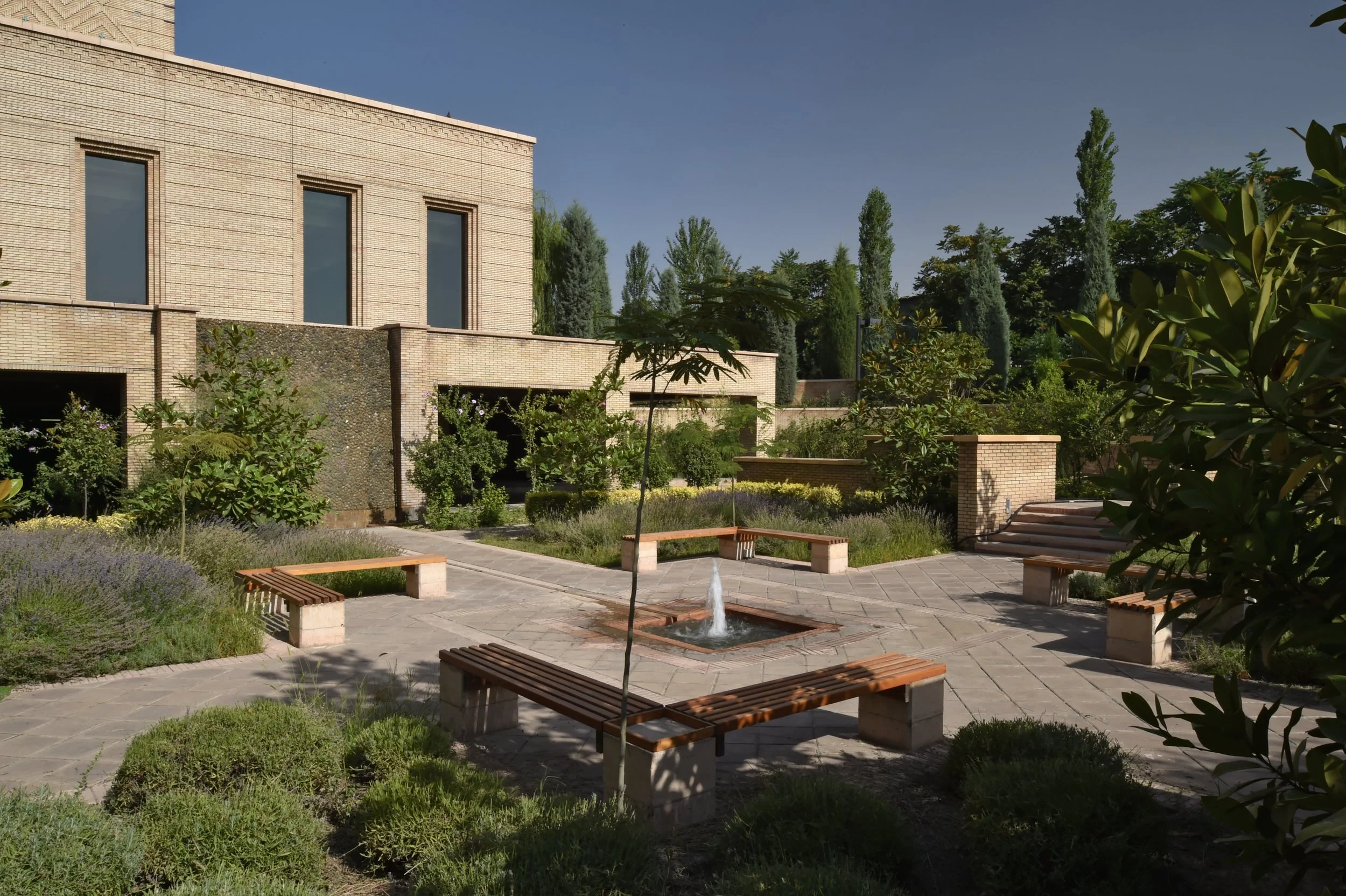
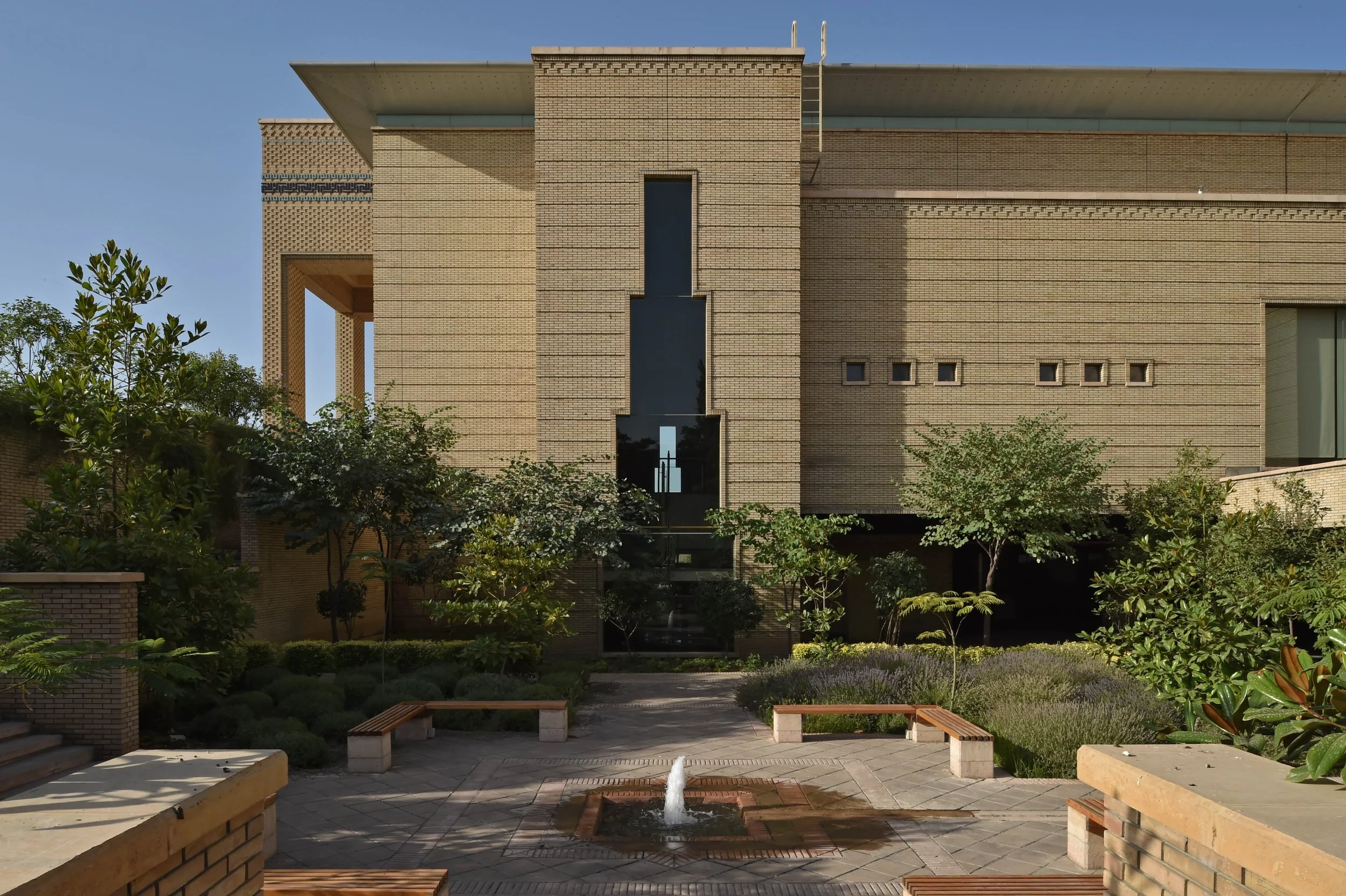
FNDA was the winner of the international design competition for the Ismaili Centre Dushanbe, a landmark project of cultural and architectural significance. Conceived as an ambassadorial space, the Centre fosters dialogue, cultural exchange, and intellectual engagement, while serving as a vibrant hub for community life.
Rooted in the rich heritage of Central Asia, the design draws inspiration from Timurid architecture, reinterpreting traditional forms, craftsmanship, and spatial principles within a contemporary institutional setting. In doing so, it reconnects Tajikistan with a broader historical legacy while establishing a distinct and meaningful architectural identity.
Organized around a central courtyard with four ewans, the Centre brings together spaces for education, administration, social gathering, and contemplation. A multipurpose hall, library, academic facilities, and dedicated prayer spaces are complemented by landscaped courtyards and water features, creating a serene environment inspired by the traditional Islamic garden.
The architecture reflects a thoughtful response to local culture, climate, and community needs. Through close collaboration with stakeholders and in-depth research into regional traditions, the project achieves a refined balance between heritage and modern functionality.
Today, the Ismaili Centre Dushanbe stands as a symbol of cultural continuity, civic presence, and community connection. While originally envisioned as a Net Zero project incorporating geothermal systems, solar energy, and natural ventilation, current efforts are focused on integrating renewable energy solutions, including the addition of solar panels, to enhance long-term sustainability.
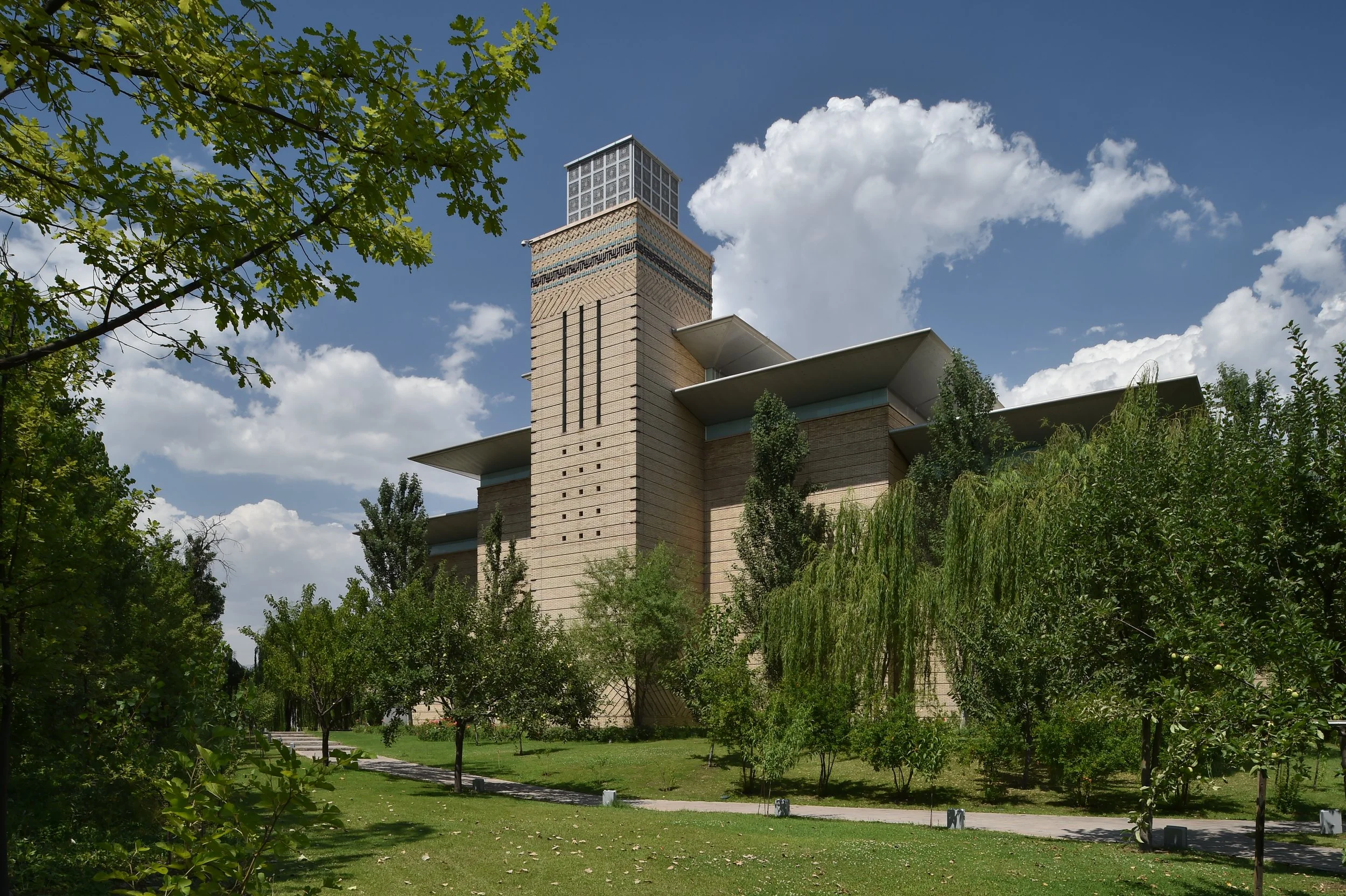
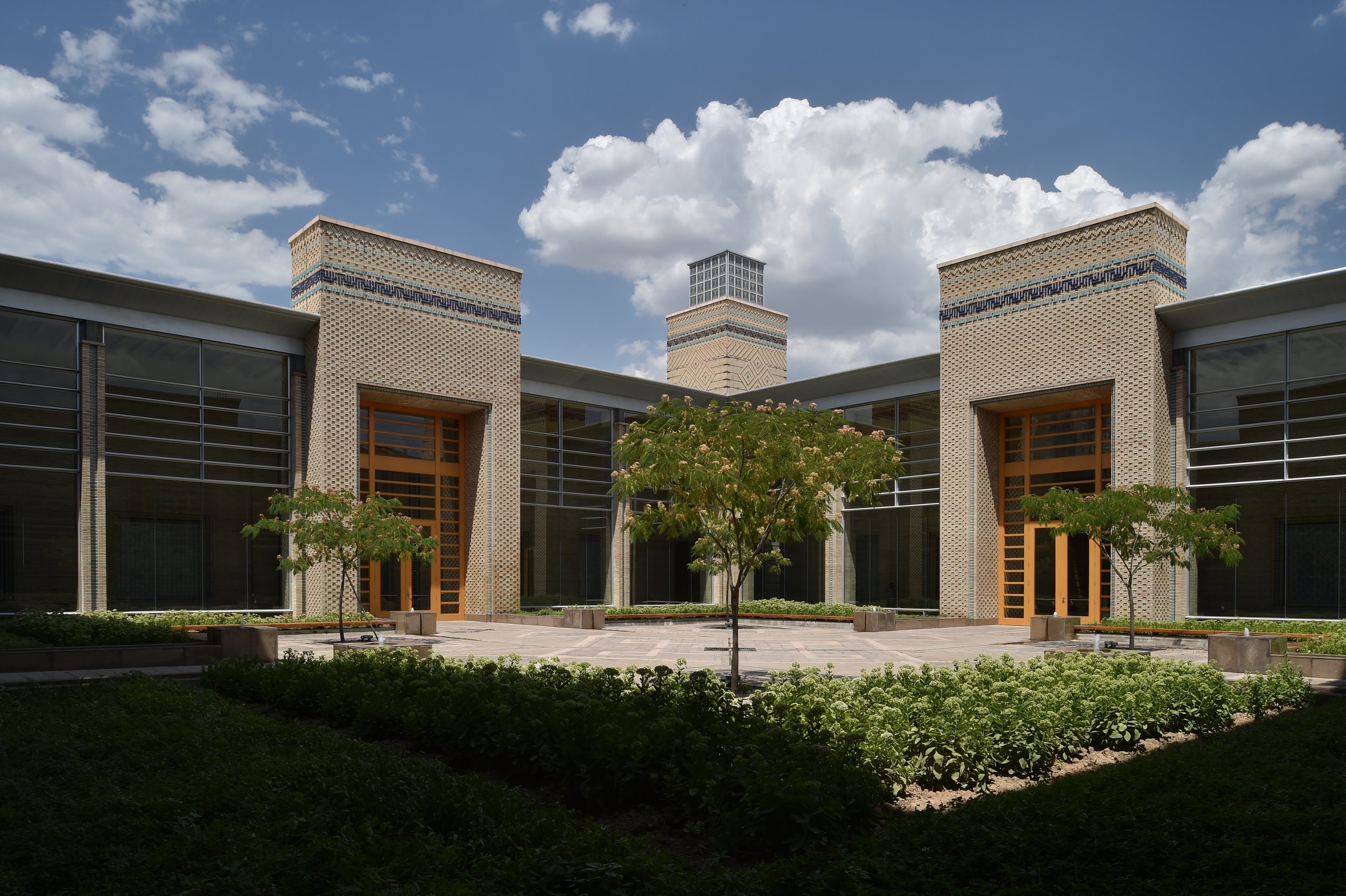
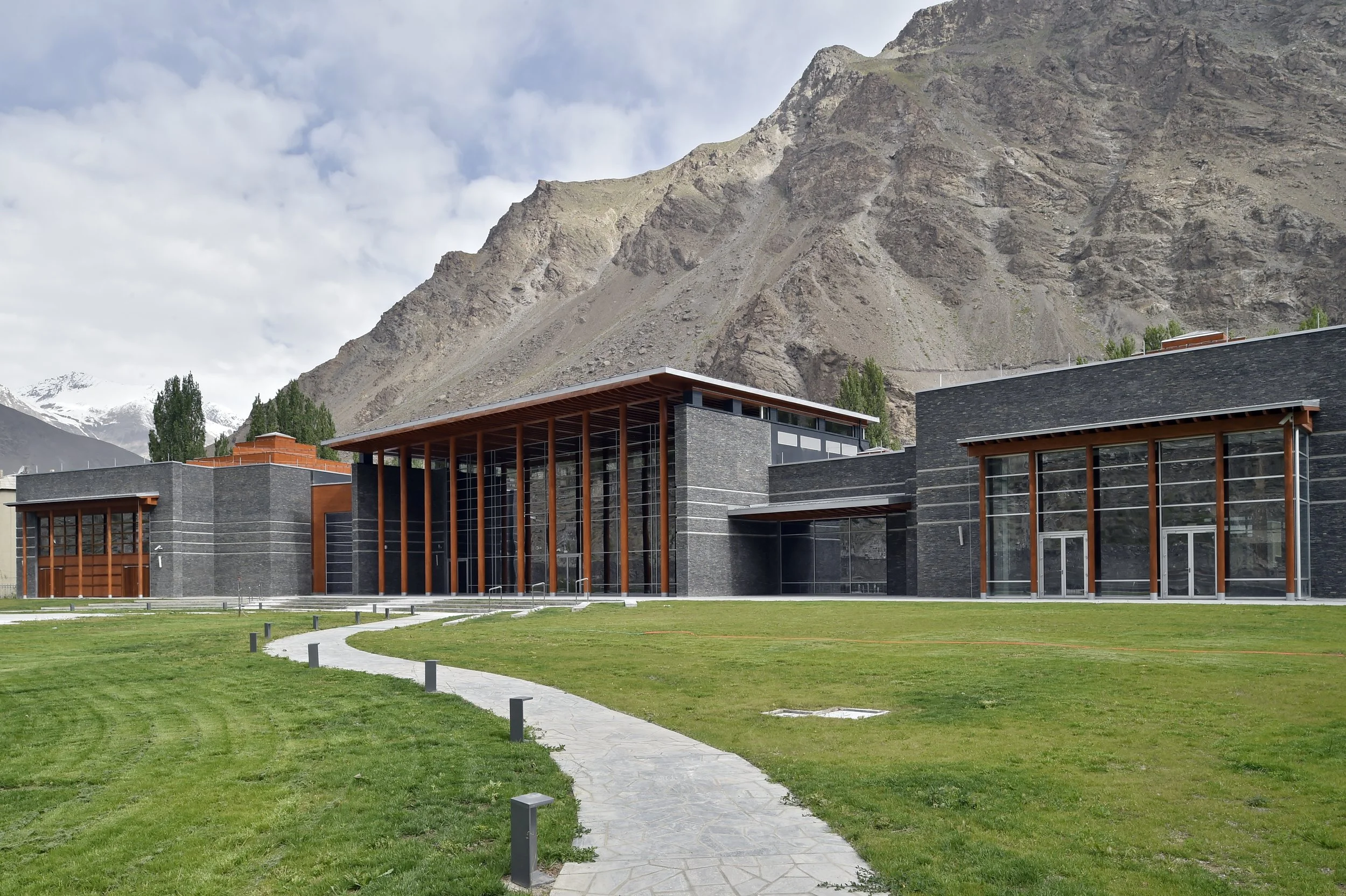
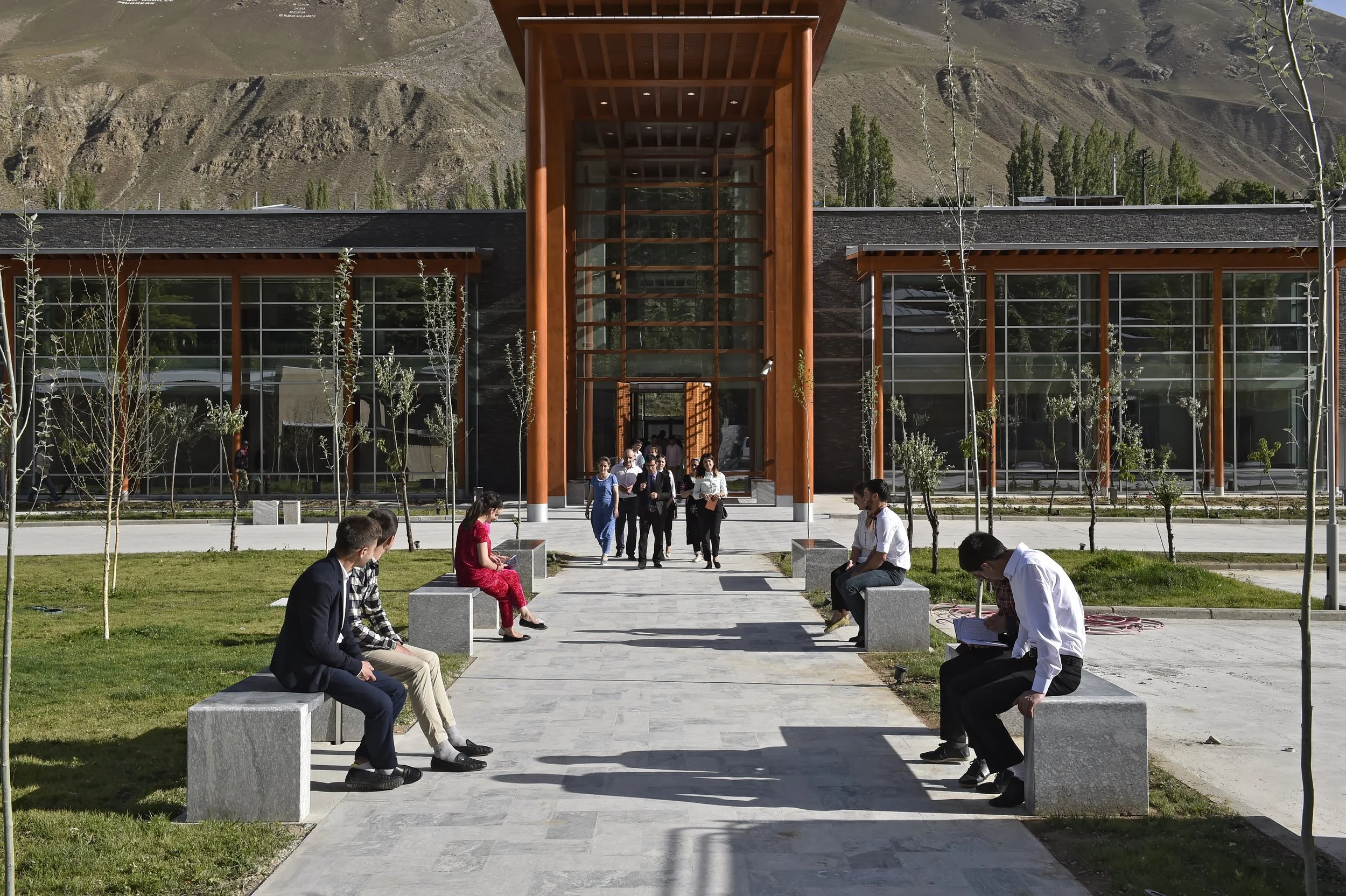
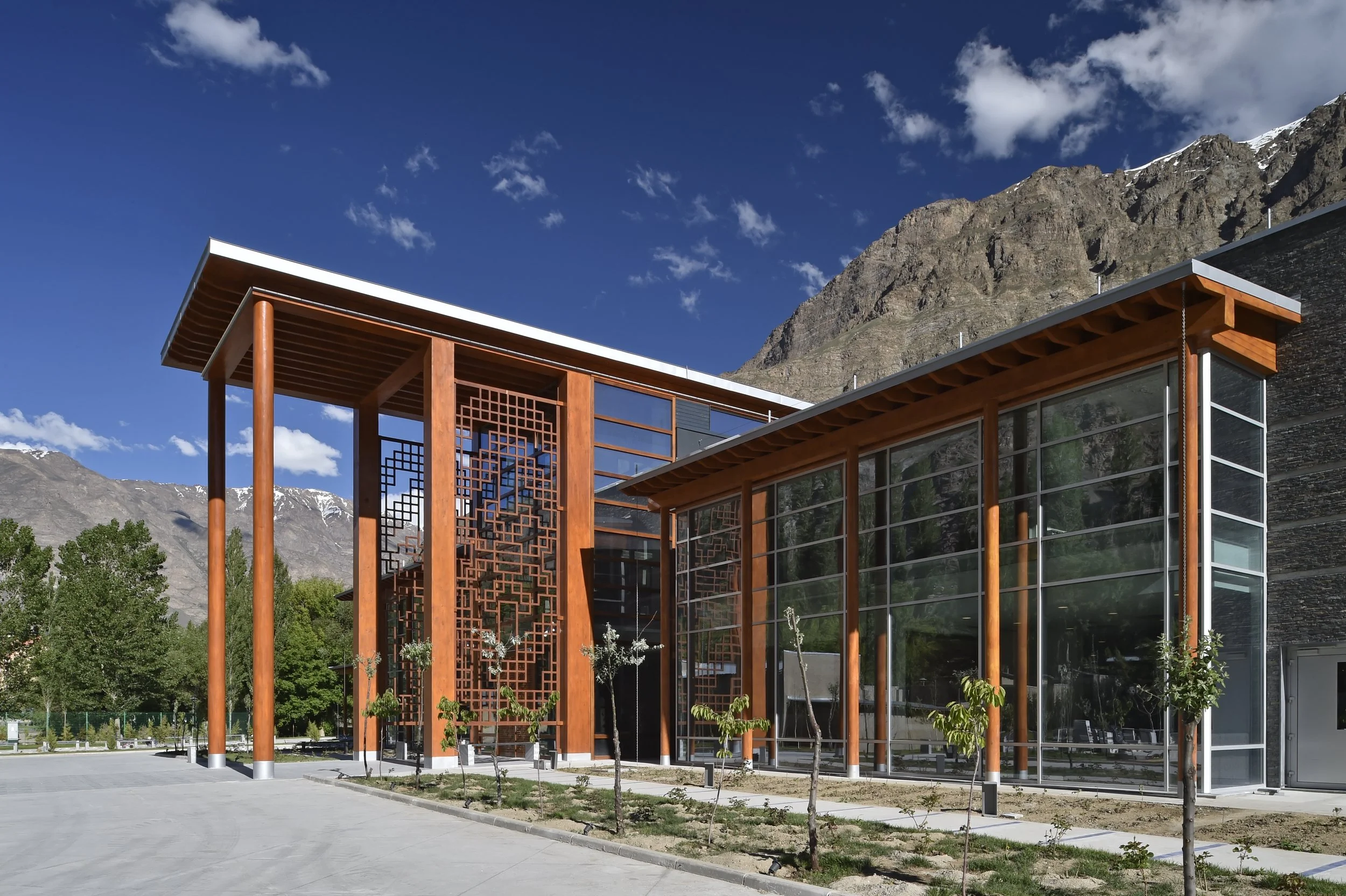
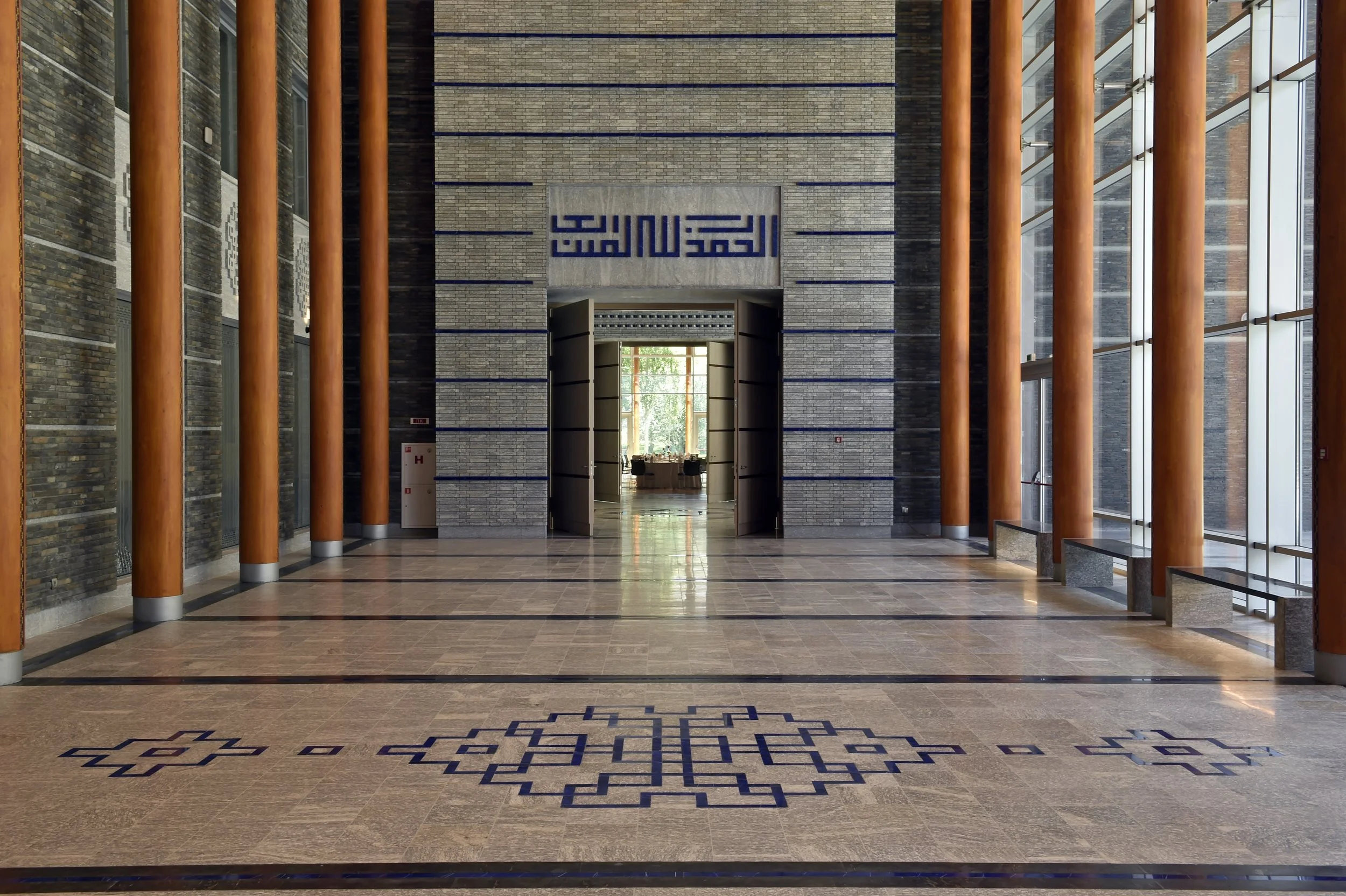
Project: Khorog Jamatkhana and Ismaili Centre Location: Khorog, Tajikistan
Building Area: 70,000 sq. Completion: 2010
Awards: German Design Award 2020 for best Architecture
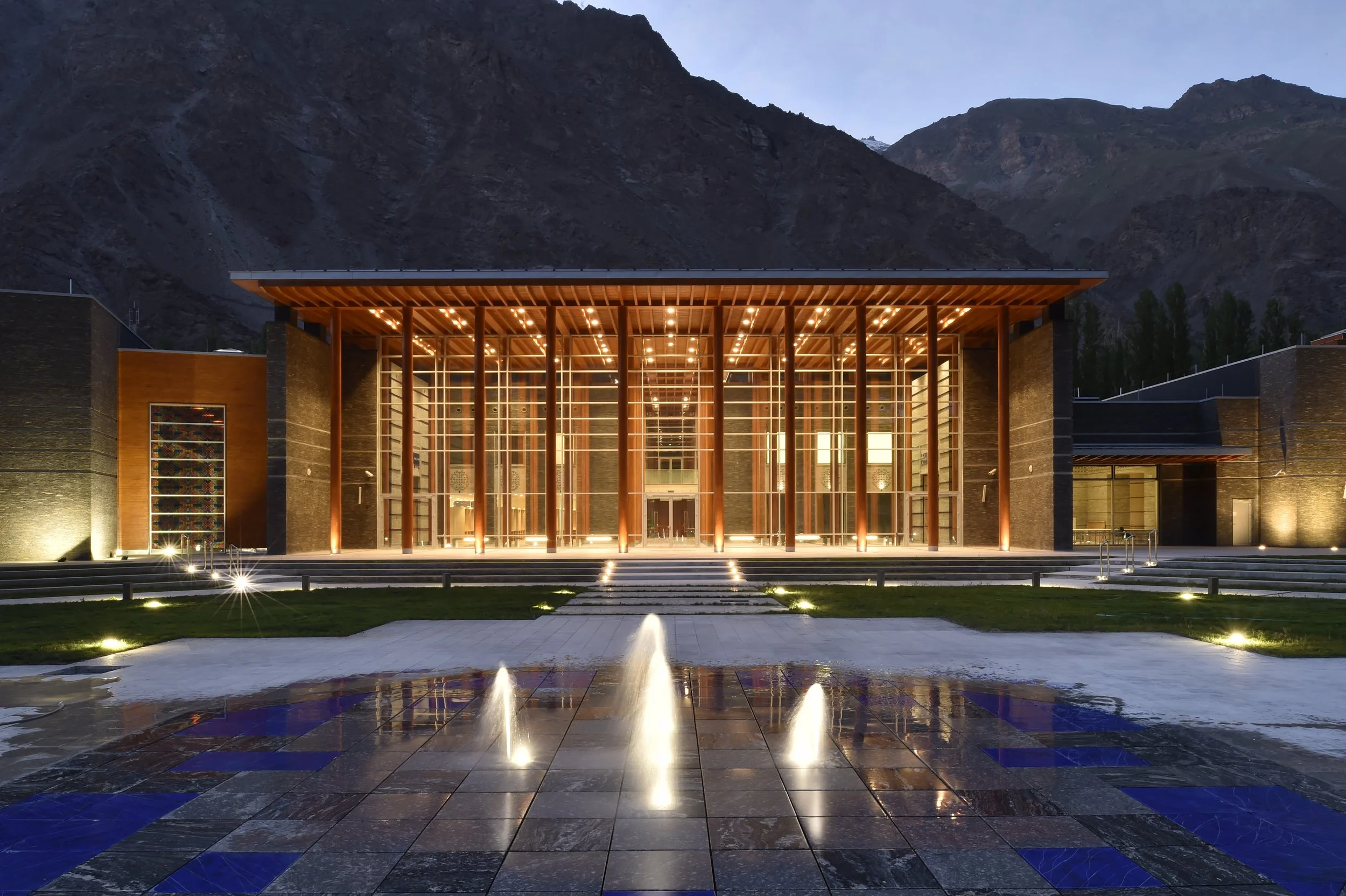
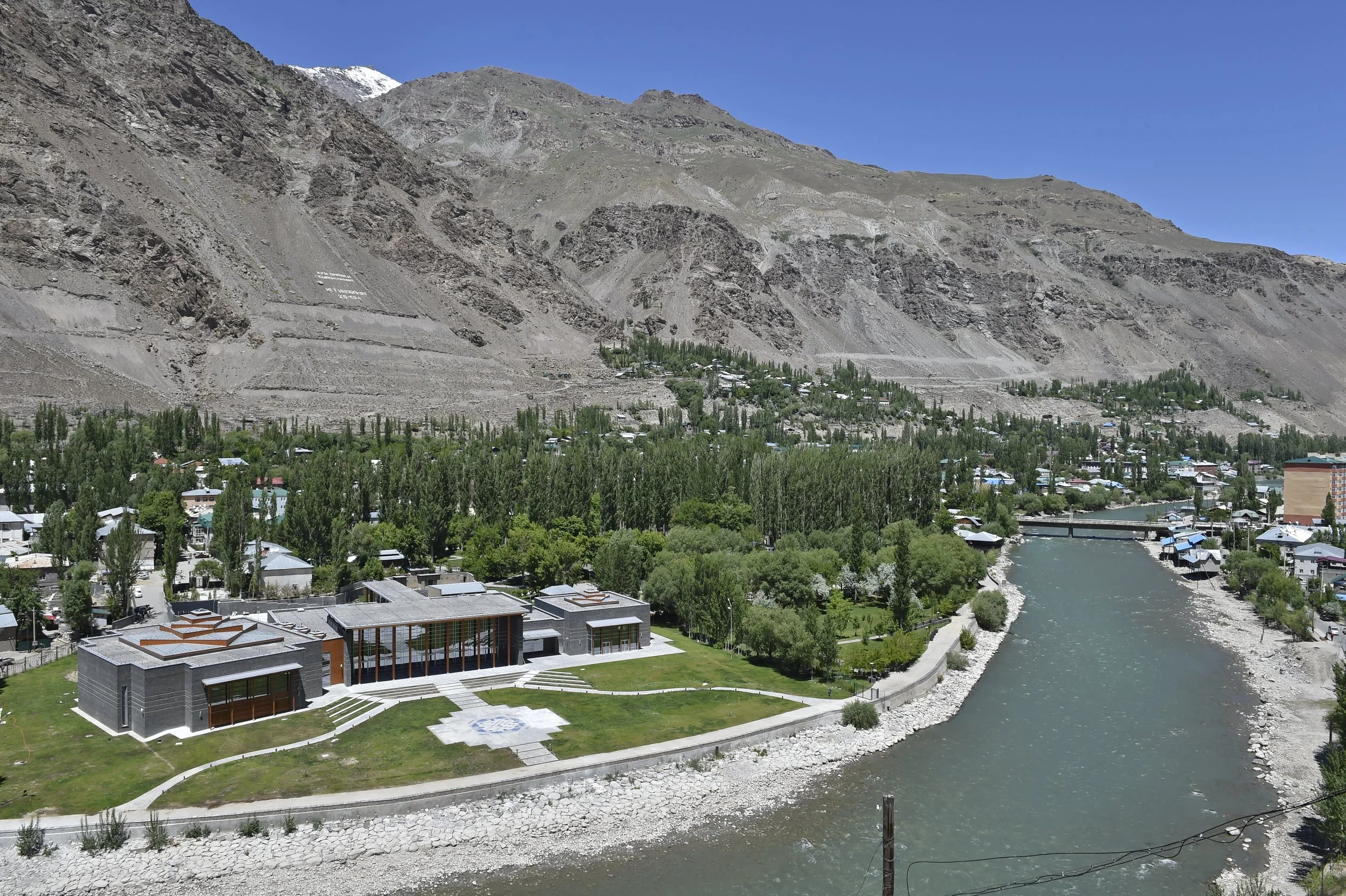
The Ismaili Centre in Khorog, Tajikistan, is the first purpose-built Jamatkhana in the Gorno-Badakhshan region, conceived as a deeply rooted community institution rather than a monumental landmark. Designed to support the spiritual, educational, and social life of the local Ismaili community, the centre brings together spaces for prayer, learning, and gathering within a cohesive and culturally resonant environment.
Inspired by the vernacular architecture of the Pamir region, the design responds sensitively to Khorog’s dramatic mountain landscape. Local materials such as stone, timber, and lapis lazuli are used throughout, creating a warm and authentic expression that reflects both natural context and cultural heritage. Courtyards, including a char-bagh garden, extend the spatial experience outdoors, reinforcing themes of harmony and community.
The building integrates passive environmental strategies, thick stone walls for thermal stability, shaded verandas, and abundant natural daylight, ensuring comfort and energy efficiency in a harsh climate. Developed in collaboration with local artisans and builders, the project embodies sustainability, craftsmanship, and resilience.
The Ismaili Centre Khorog stands as a timeless and dignified spaceone that nurtures faith, knowledge, and social connection while honouring the traditions and future of the region.
Project: Westwinds Jamatkhana
Location: Calgary NE, Alberta
Building Area: 38,000 sq.
Completion: 2016
Awards: Masonry Design Award 2019
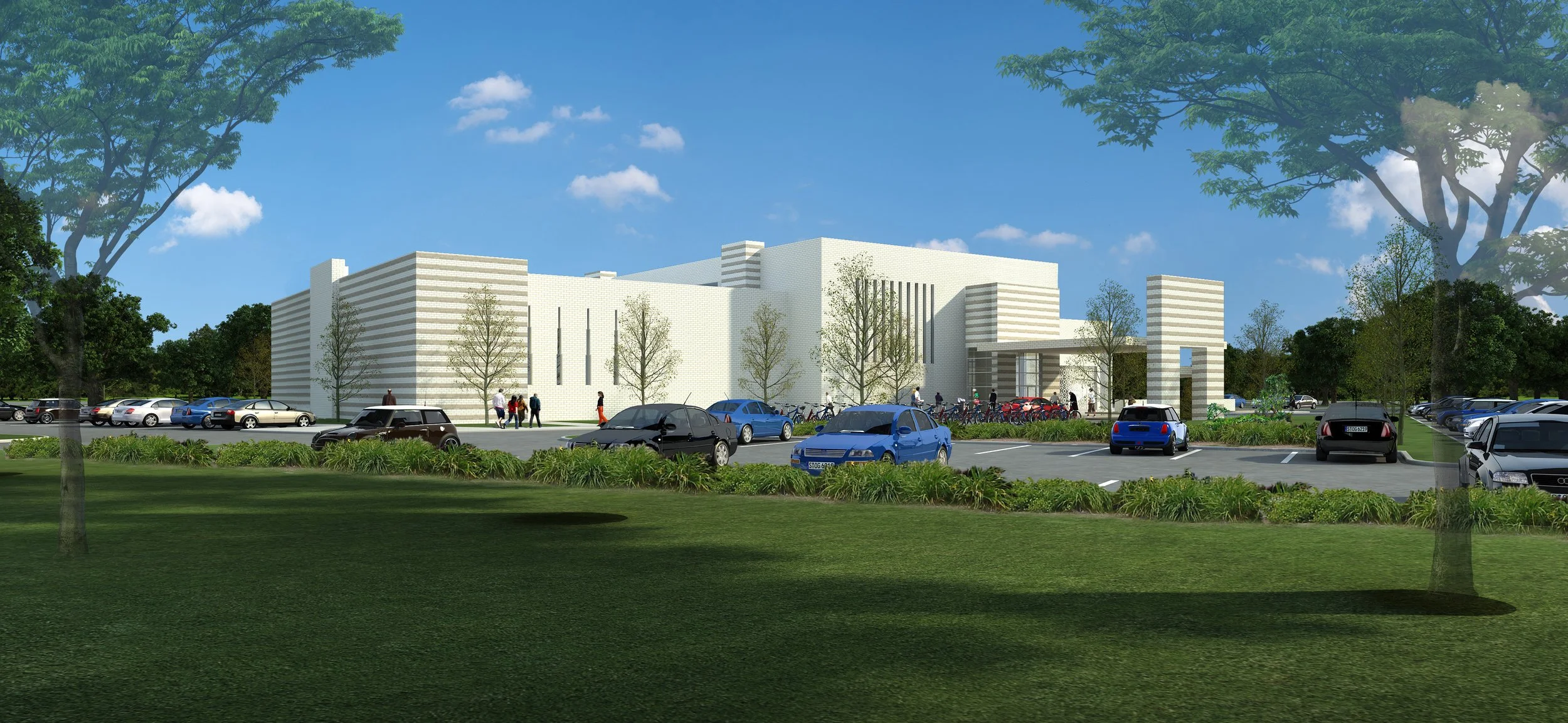
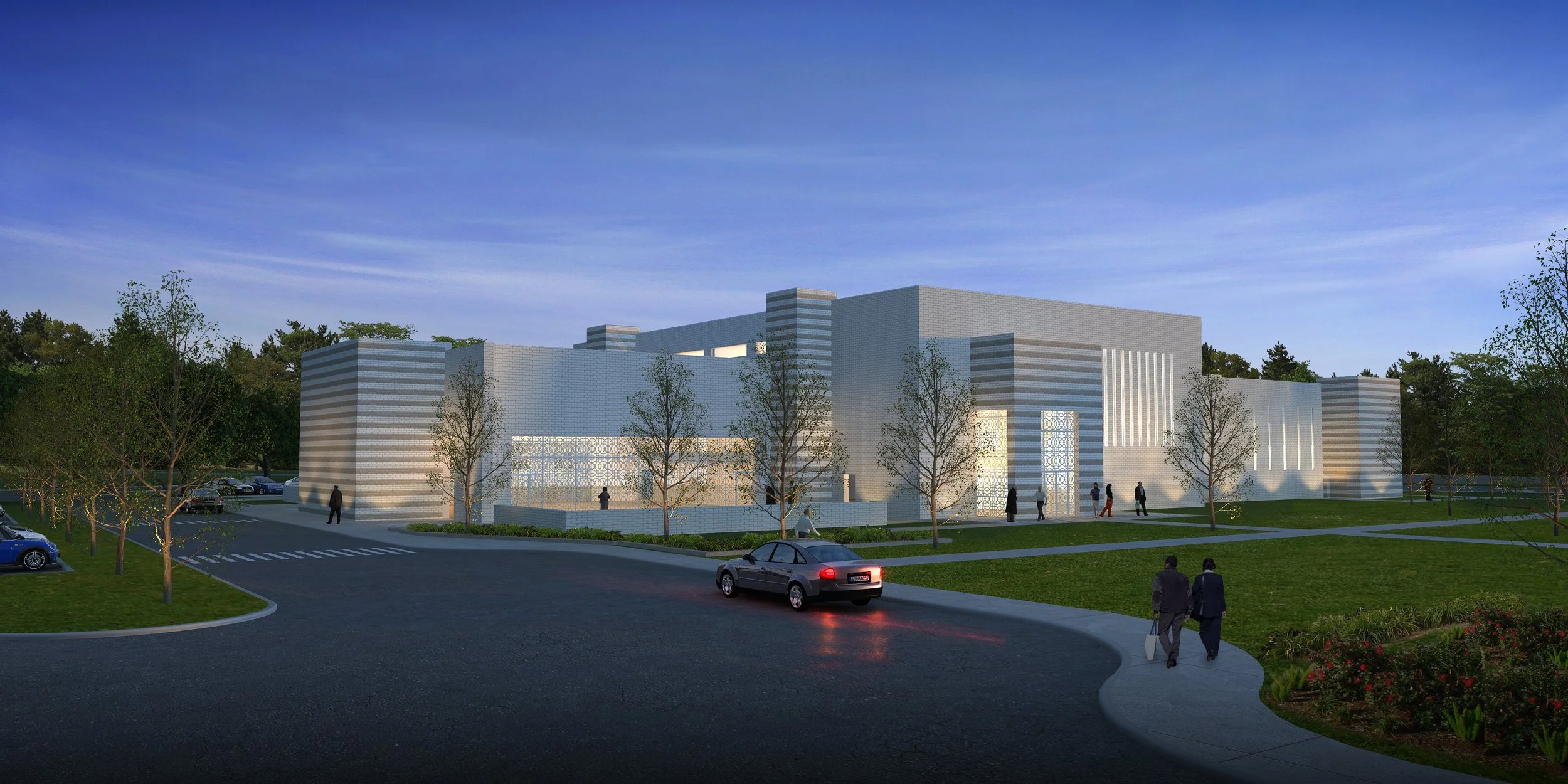
Westwinds Jamatkhana Calgary NE, Alberta
Conceived as a sculptural form emerging from Calgary’s snow-covered landscape, the Westwinds Jamatkhana is a contemporary expression of faith, community, and spiritual journey. Its exterior, crafted in light beige and grey brick, draws inspiration from the historic two-toned masonry of the Great Mosque of Córdoba, while vertical strip windows subtly reference the Panjtan, anchoring the building in symbolic meaning.
Upon entry, a sequence of layered spaces unfolds, bridges, stairs, and curated elements guiding visitors inward, both physically and spiritually. The architecture uses light, pattern, and material to narrate a journey: from the external world into reflection and connection with the Divine.
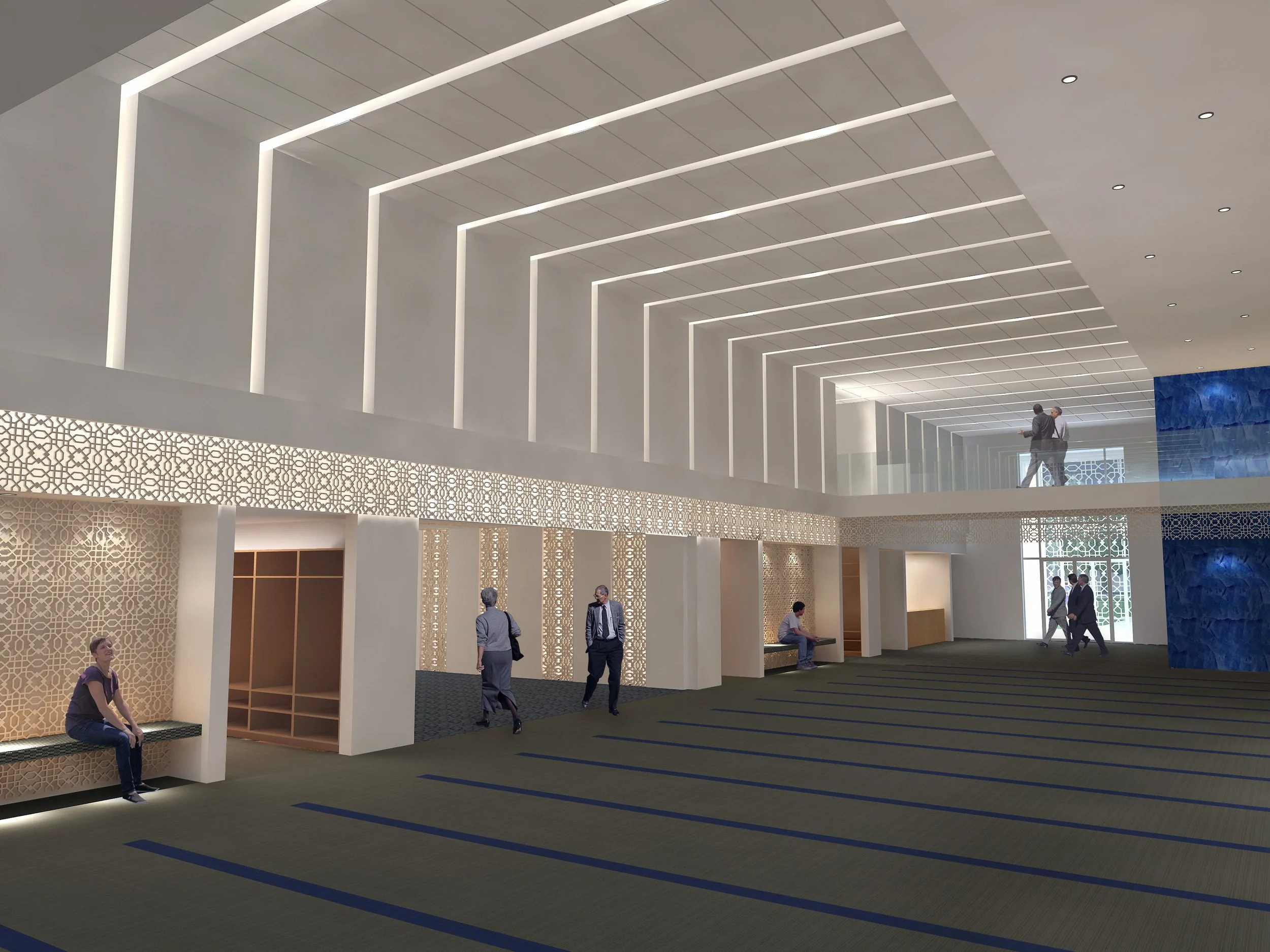
The Prayer Hall is the spiritual heart of the building, where light becomes the central theme. Perforated screens, backlit portals, and layered patterns create a dynamic interplay of illumination and shadow, symbolizing the transition from the material to the spiritual. Elements such as the Qibla wall and five portals embody unity, faith, and the path of spiritual understanding.
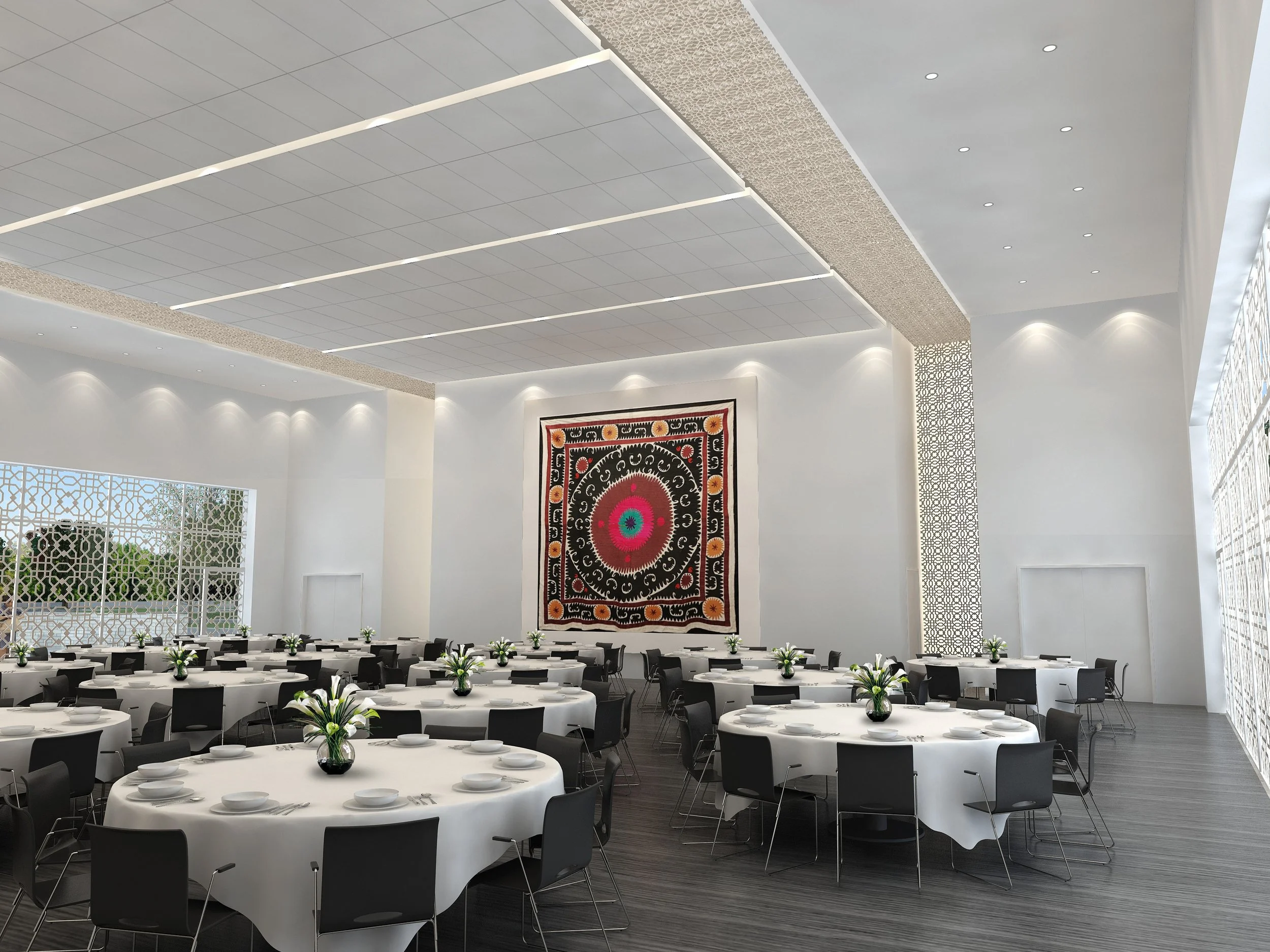
Complementing this is the Social Hall, a space of gathering and community, where patterned glass walls connect interior and exterior realms. The interplay of light and geometry reflects the concepts of zahir and batin, reinforcing the balance between the seen and unseen.
Together, the Jamatkhana serves not only as a place of prayer but as a beacon of hope, expressing the values of an engaged, ethical, pluralistic, and open Shia Muslim community within the broader fabric of Calgary.
Project: Richmond Jamatkhana
Location: Richmond, BC
Building Area: 13,000 sq.
Completion: 2015
Richmond Jamatkhana is thoughtfully designed as a harmonious extension of its West Coast surroundings, an architectural expression that complements rather than competes with its environment. Drawing from the region’s material palette of wood, stone, and concrete, the building integrates contemporary design with natural elements, creating a warm and welcoming spiritual and community space.
The structure is organized around key programmatic elements, including the Prayer Hall, Social Hall, Foyer, and classrooms, supporting both spiritual practice and community life. Its orientation is carefully aligned toward Mecca, while its form responds sensitively to the site’s unique geometry.
From a distance, the building reads as a distinctly West Coast structure. As one approaches, Islamic architectural elements gradually reveal themselves through courtyards, water features, and intricate geometric patterns. The arrival experience is enriched by landscaped pathways, the sound of flowing water, and aromatic plantings, evoking sensory reminders of nature and paradise.
Inside, the interplay of light and pattern defines the spatial experience. The Foyer acts as a transitional space, where filtered light and latticework symbolize the balance between the material and spiritual worlds. The Social Hall fosters community engagement, maintaining a strong connection to the outdoors through patterned glazing that creates dynamic light and shadow.
At its heart, the Prayer Hall is a space of contemplation and illumination. Carefully orchestrated natural light, geometric perforations, and subtle detailing evoke a sense of spiritual elevation. Throughout the building, design elements reflect deeper symbolic meanings, expressing themes of unity, balance, and the ongoing journey toward the Divine.
The Richmond Jamatkhana stands as both a place of worship and a community anchor, embodying the values of faith, inclusivity, and connection within the broader architectural fabric of the city.
Project: Burnaby Lake Jamatkhana
Location: Burnaby, BC
Building Area: 15,000 sq. ft. (Phase I) & 25,000 sq. ft. (Phase II)
Completion: (Phase I - 1985) and (Phase II - currently under construction)
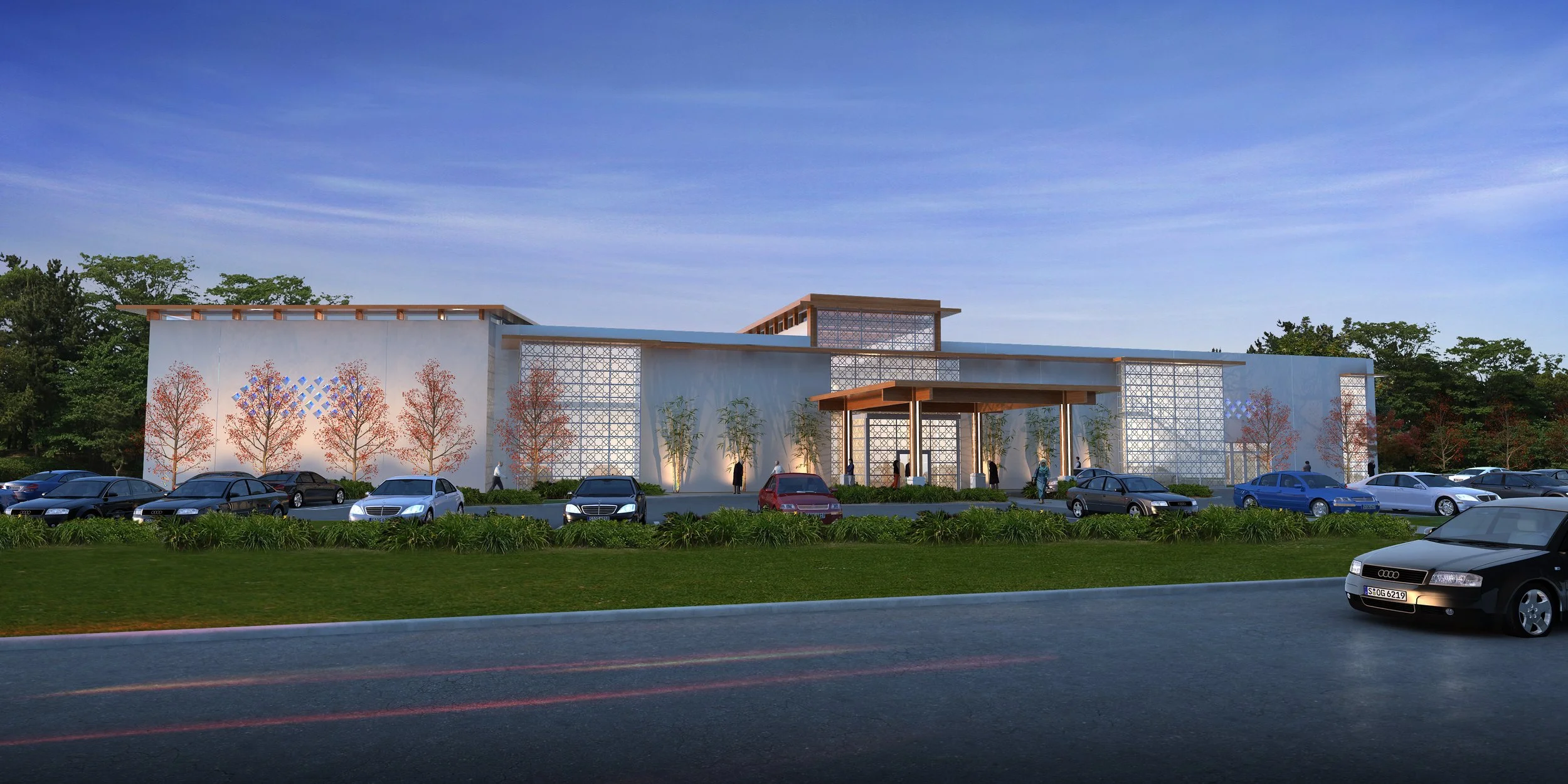
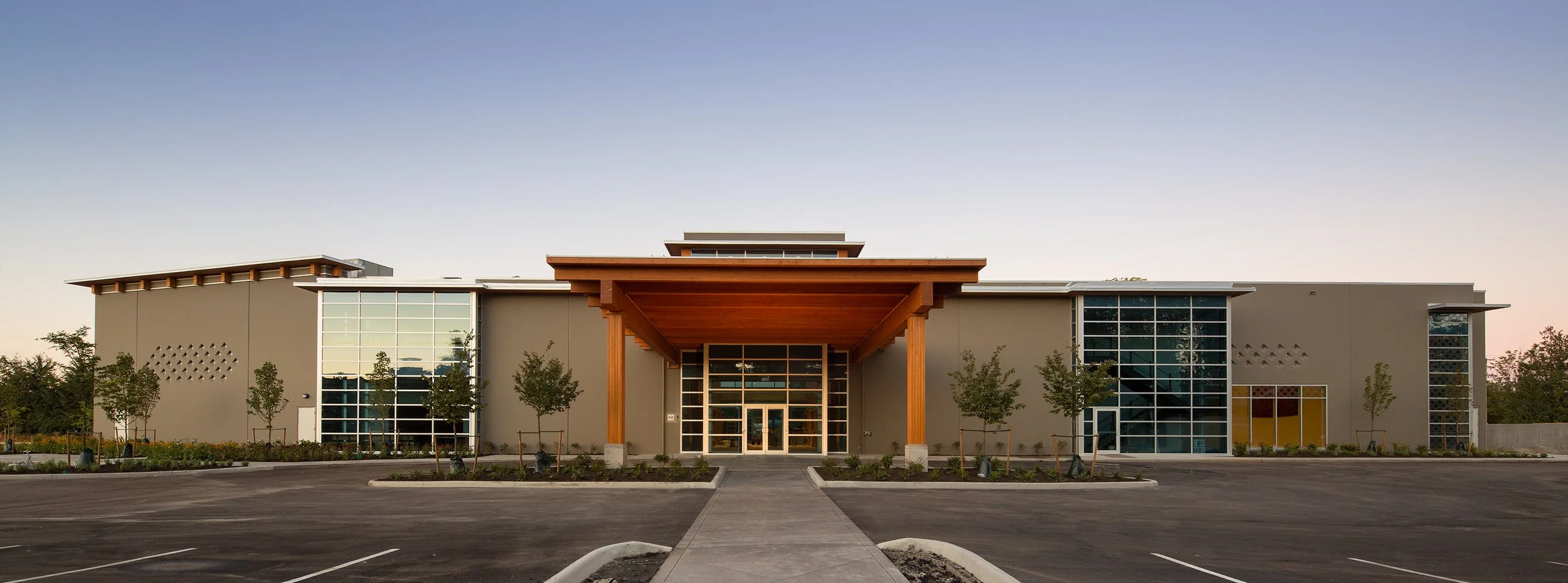
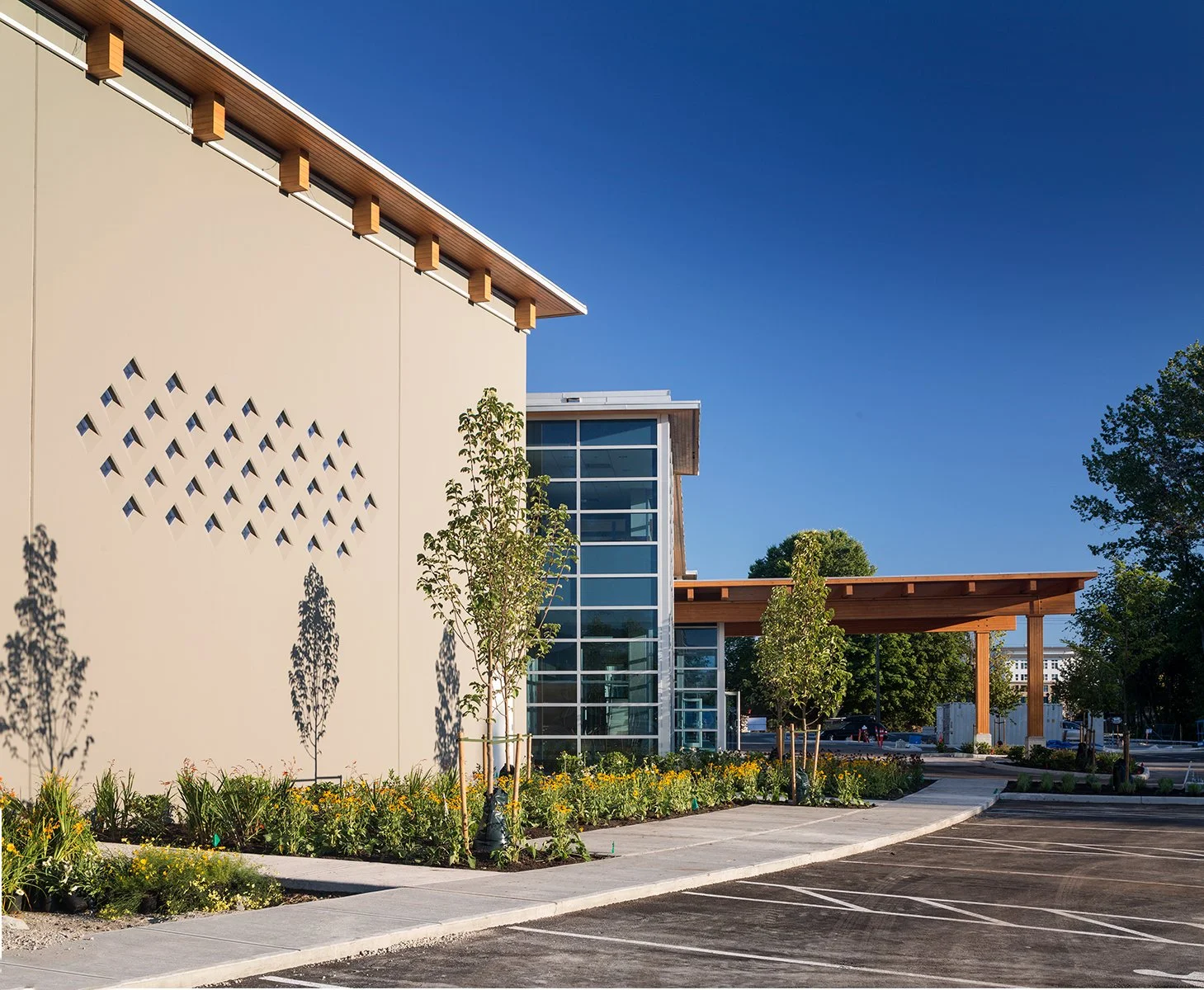
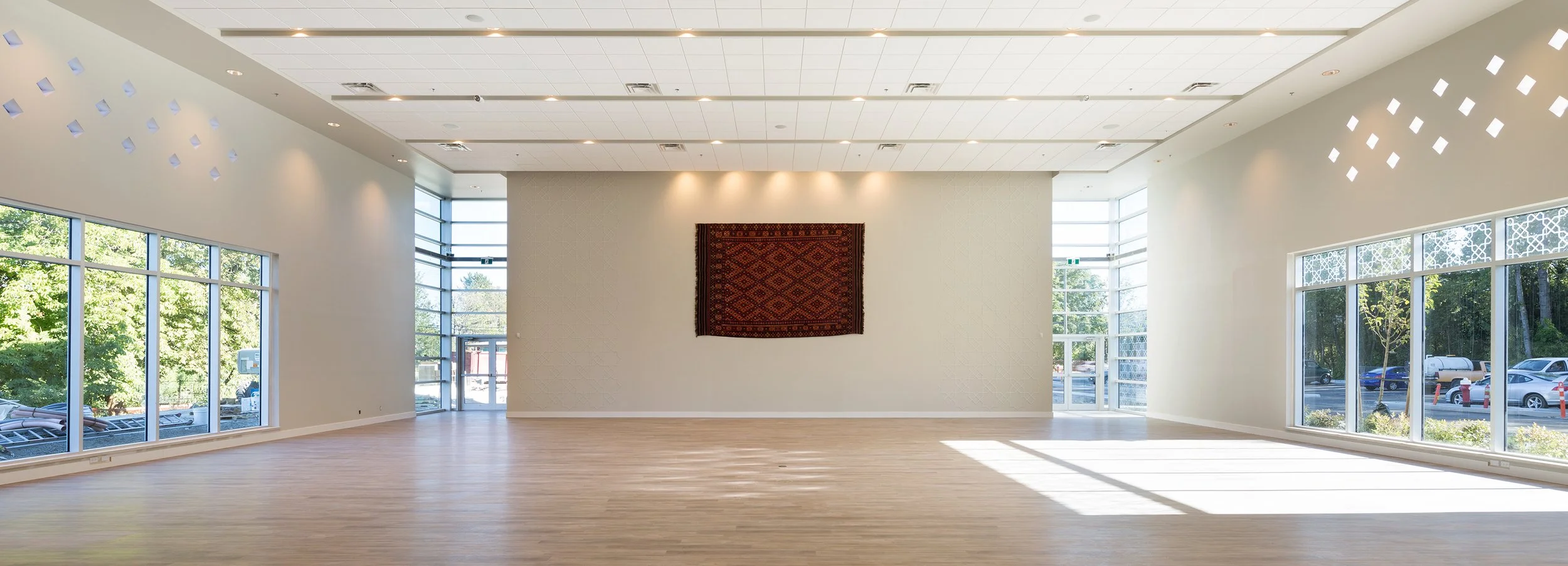
The Burnaby Lake Jamatkhana is a transformative adaptive reuse and expansion project that reimagines an existing bus depot and industrial buildings into a vibrant spiritual and community hub. Rooted in its context, the architectural language draws from the surrounding warehouse typologies and adjacent recreational facilities, allowing the complex to integrate seamlessly into its urban and natural setting.
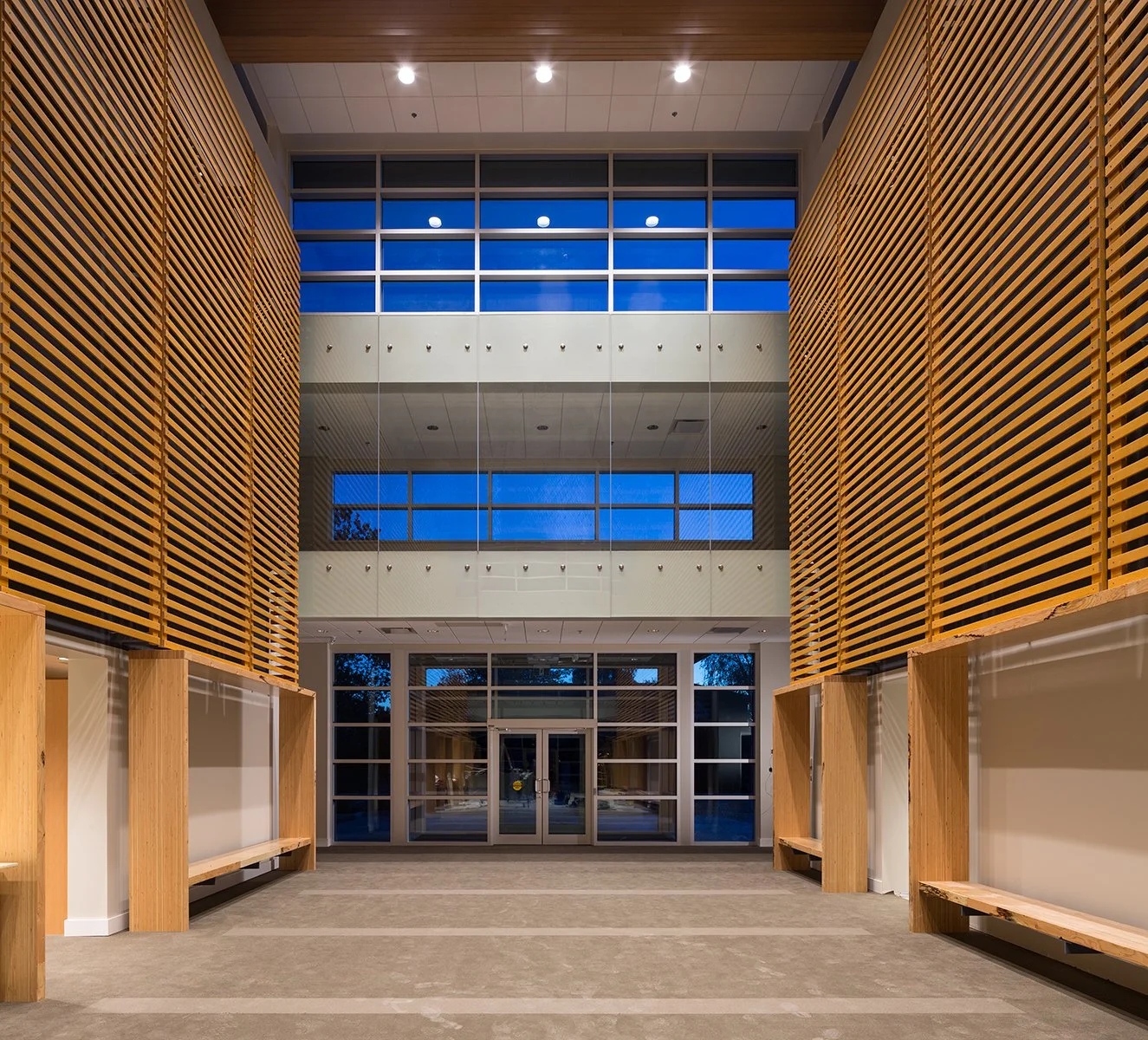
Organized around a series of interconnected courtyards and covered walkways, the design reflects the sensibilities of West Coast architecture. Wood columns, exposed rafters, and landscaped pathways create a layered journey through the site, where water, geometry, and planting evoke a sense of tranquillity and reflection. The entry sequence, marked by symbolic portals, latticework, and calligraphy, guides visitors from the material world toward a spiritual experience.
At its heart, the Prayer Hall is a space of quiet illumination, where filtered light, intricate screens, and sacred inscriptions create an atmosphere of contemplation and connection to the Divine. The architectural narrative is enriched with references to Islamic traditions, expressed through pattern, proportion, and the movement of water.
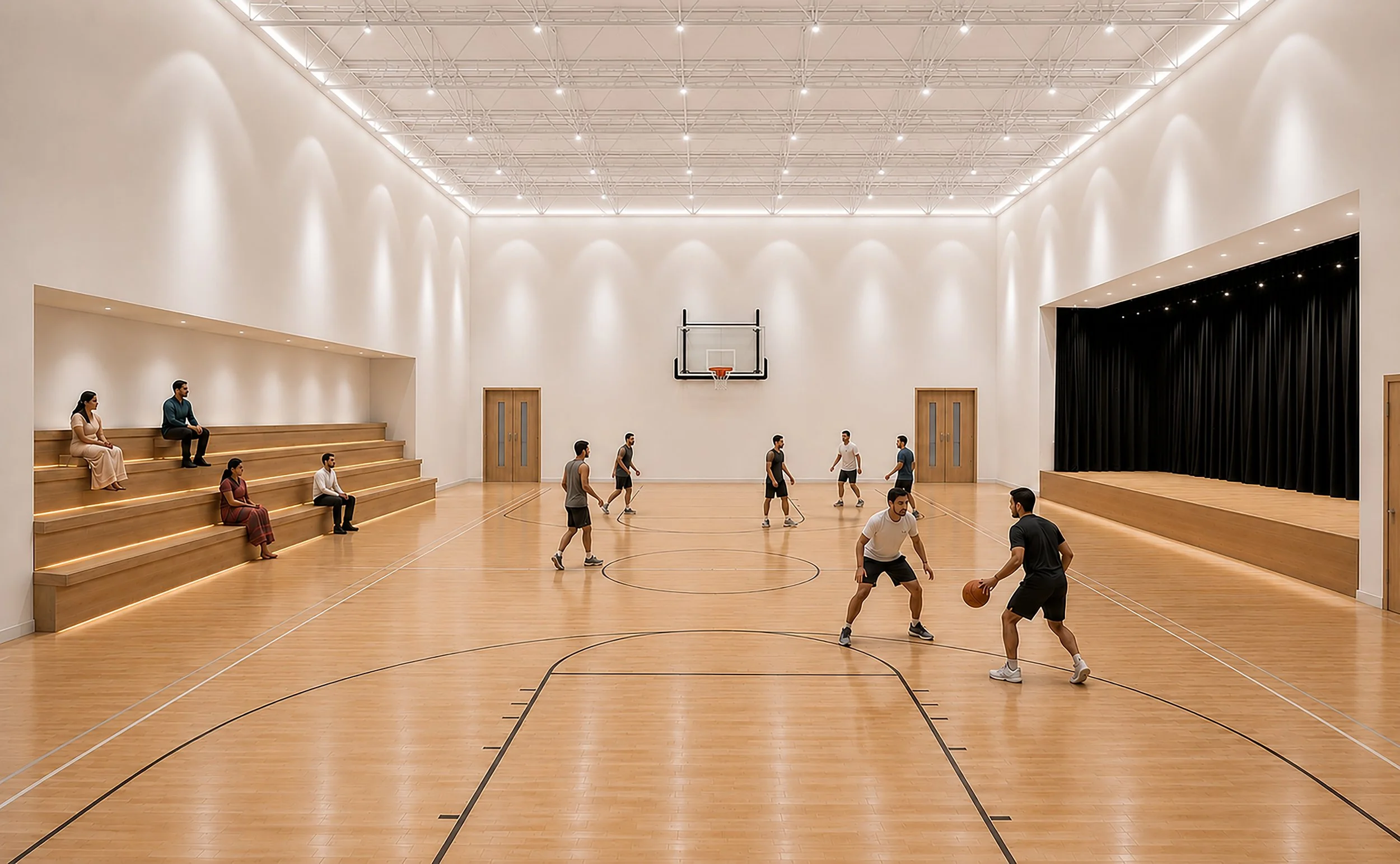
The project extends beyond worship through the addition of a multipurpose facility that completes the vision of a holistic community campus. Designed to accommodate sports, arts, education, and social gatherings, it reinforces the Jamatkhana’s role as both a spiritual anchor and a dynamic center for community life.
Together, the Burnaby Lake Jamatkhana embodies a balance between faith and everyday life, creating a place that nurtures reflection, fosters connection, and strengthens the presence of an engaged and inclusive community.