Project Name: Aga Khan Academy
Location: Mombasa, Kenya
Size: Ph. 1 - $18M, Ph. 2 - $27M.
Status: Completed 2009
Award: International Design Award – Bronze (Architecture)
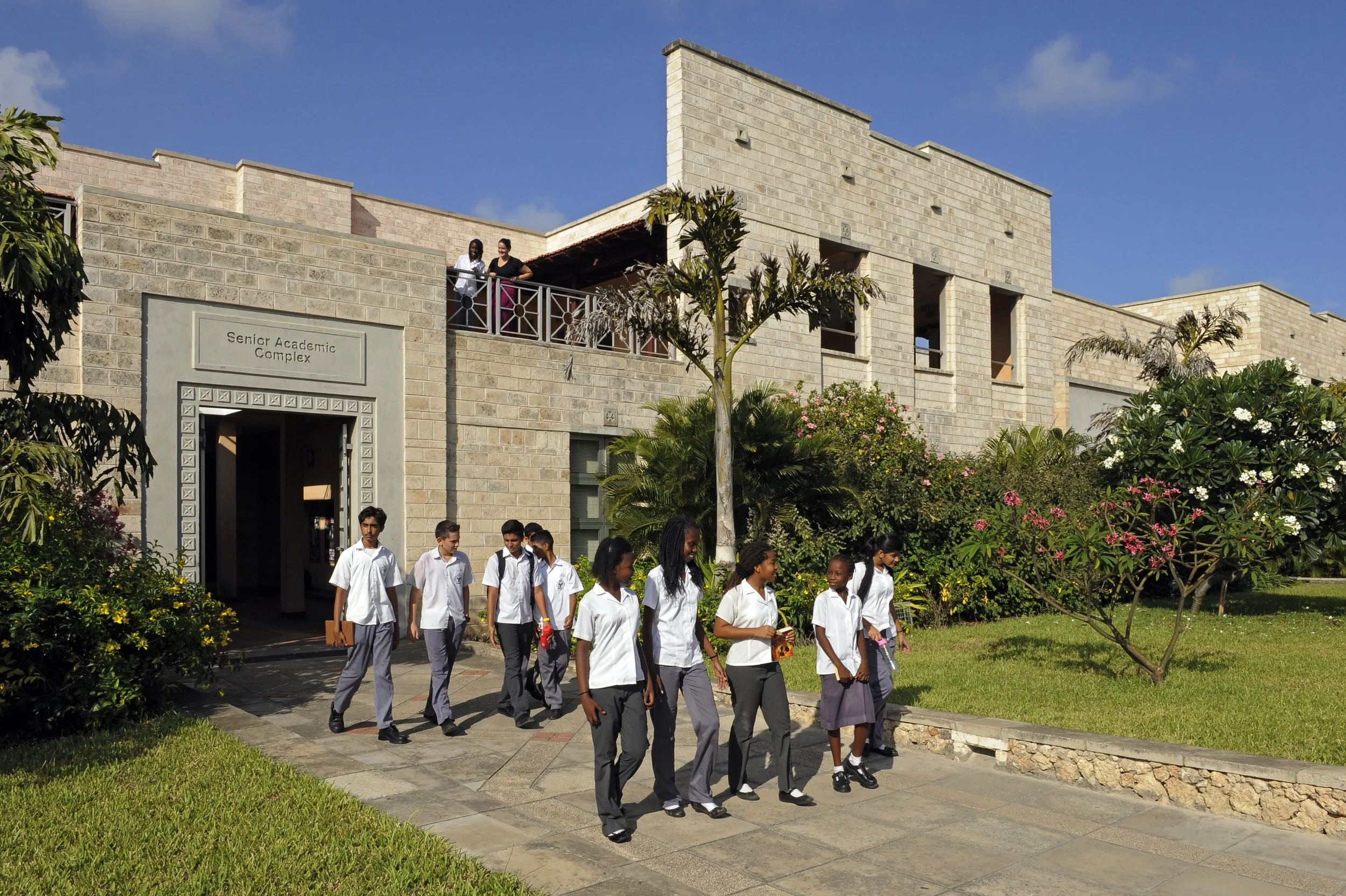
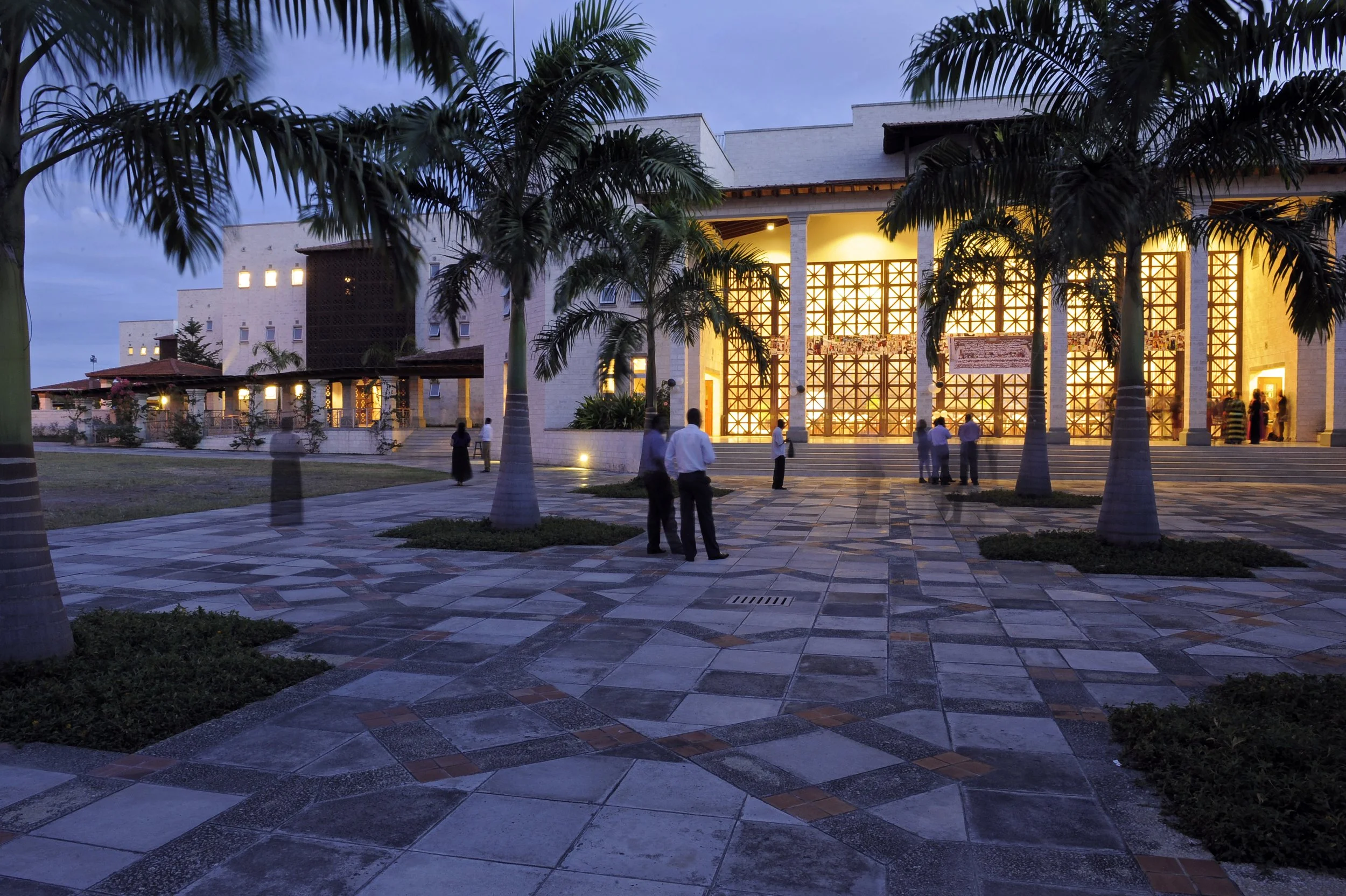
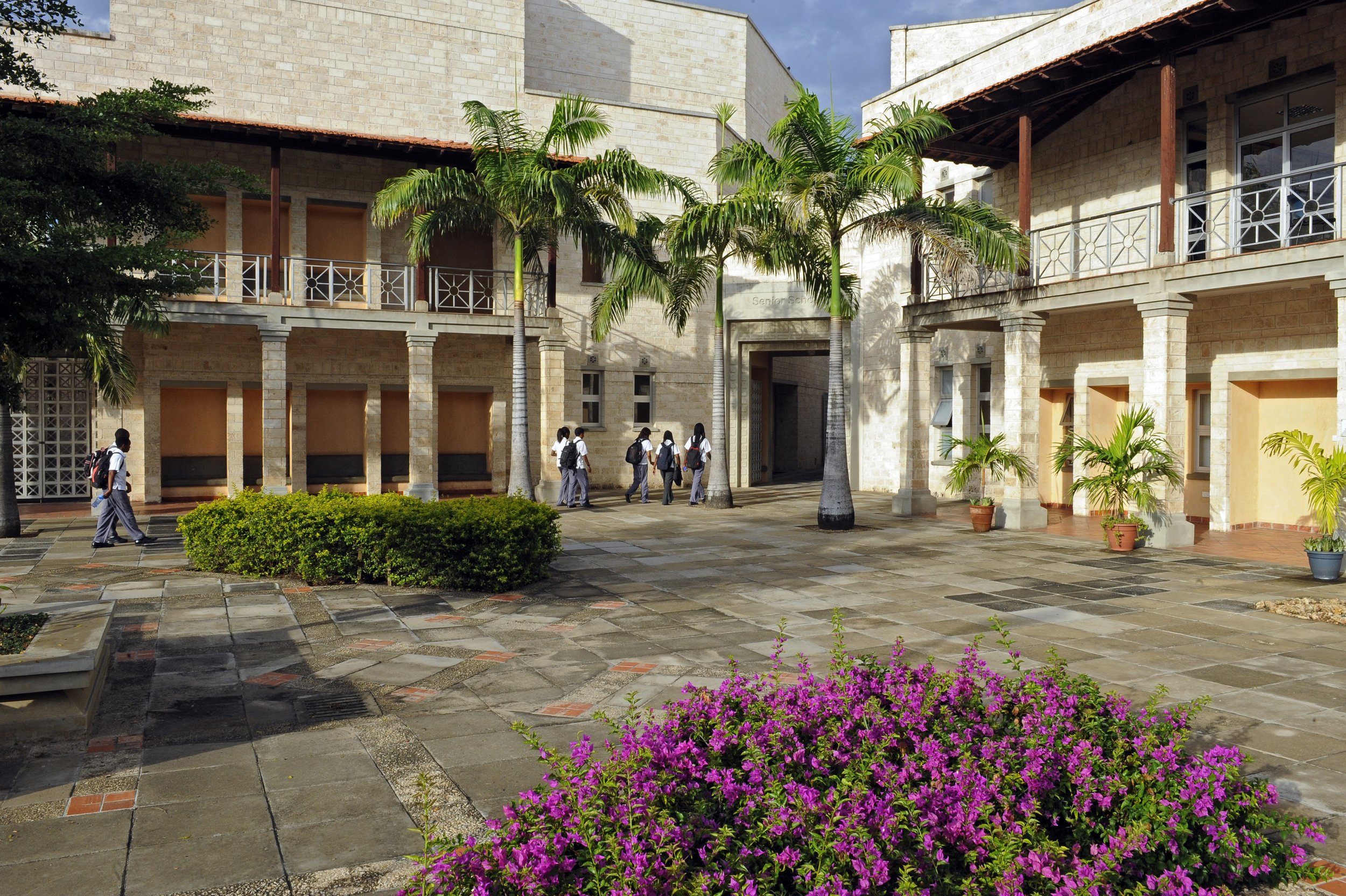
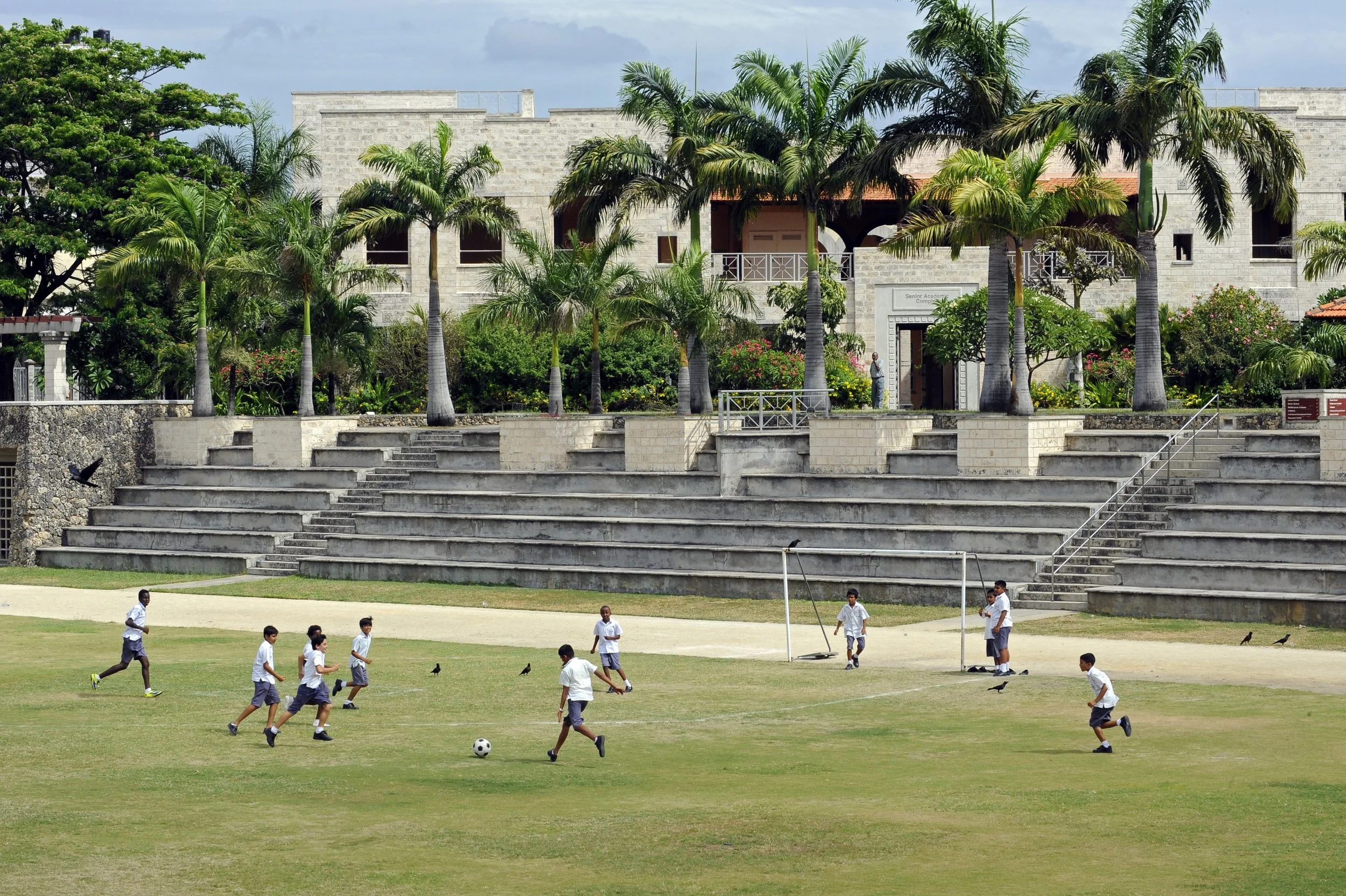
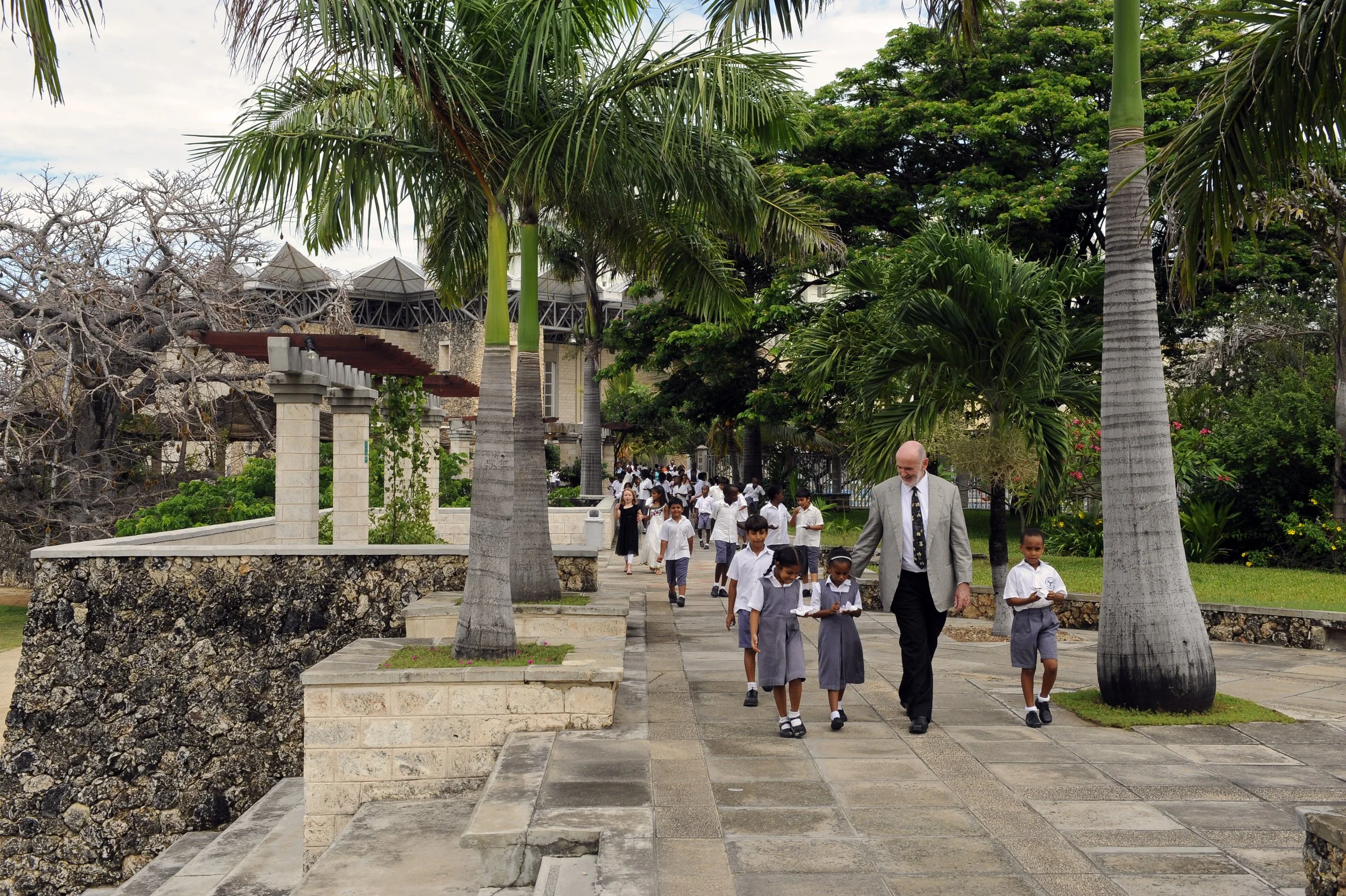
FNDA won an international architectural competition against 17 global firms to design a pioneering academy campus inspired by East African coastal towns such as Lamu.
The master plan reinterprets traditional educational environments by replacing corridors with pedestrian streets, courtyards, landscaped spaces, and village squares that encourage interaction and community.
Drawing from Swahili architectural heritage, classroom modules are organized around courtyards and verandahs, creating flexible learning environments that evolve with students. Sustainability was central to the design, incorporating rainwater harvesting, greywater recycling, solar heating, natural ventilation, LED lighting, and locally sourced materials, including excavated coral stone reused for cladding and landscaping. Facilities include lecture theatres, classrooms, laboratories, training centres, an amphitheatre, sports amenities, and community gathering spaces.
Following the success of Phase 1, FNDA was commissioned to develop a long-range master plan for the campus expansion. The project integrated new academic, residential, wellness, arts, and sports facilities while maintaining the architectural language and community-focused character of the original campus. The resulting masterplan has become a flagship model, informing the design and development of 26 future academies worldwide.


Project Name: Aga Khan Heart and Cancer Institute
Location: Nairobi, Kenya
Size: 140,000 sq. ft.
Status: Completed 2011
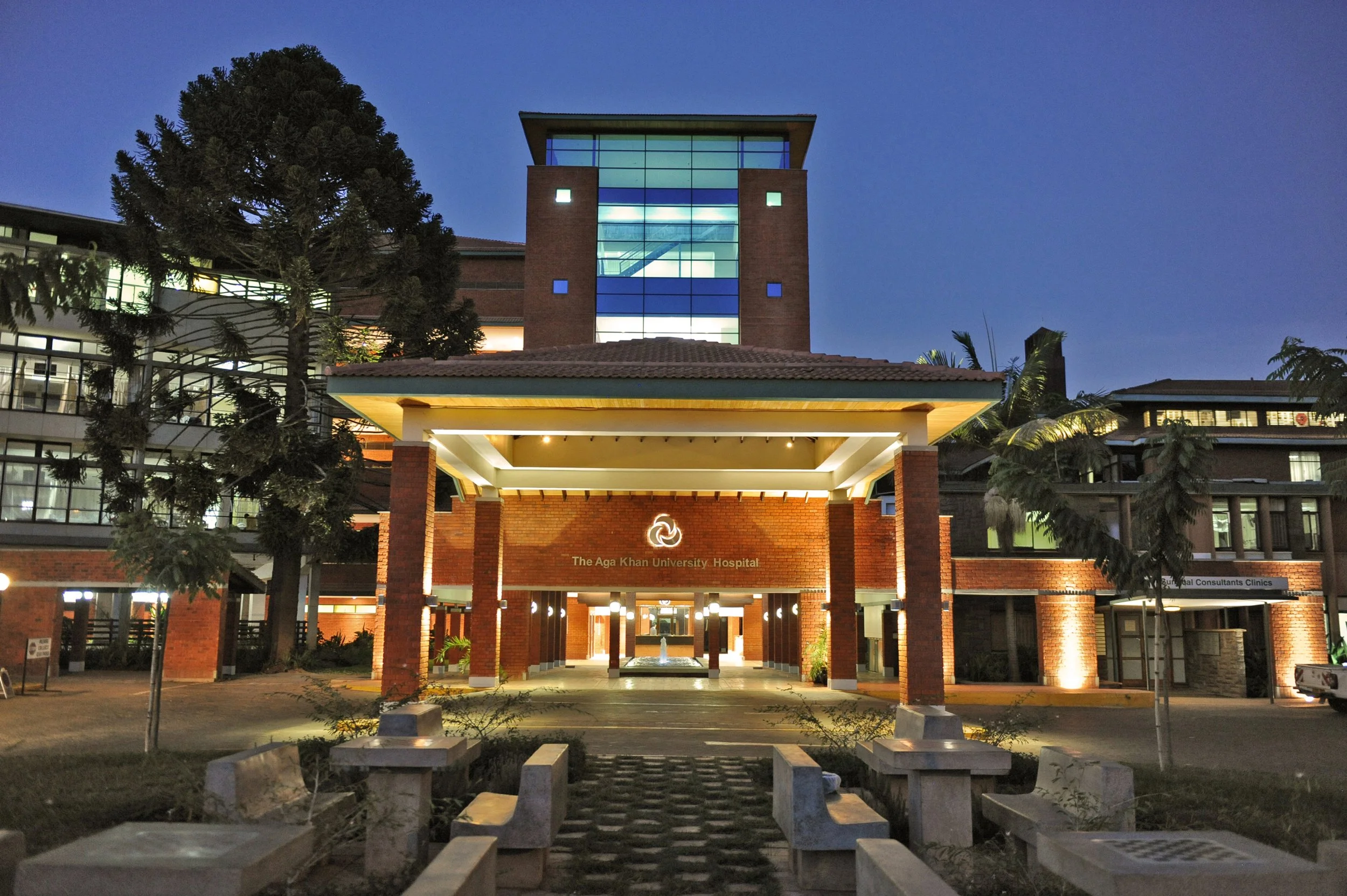
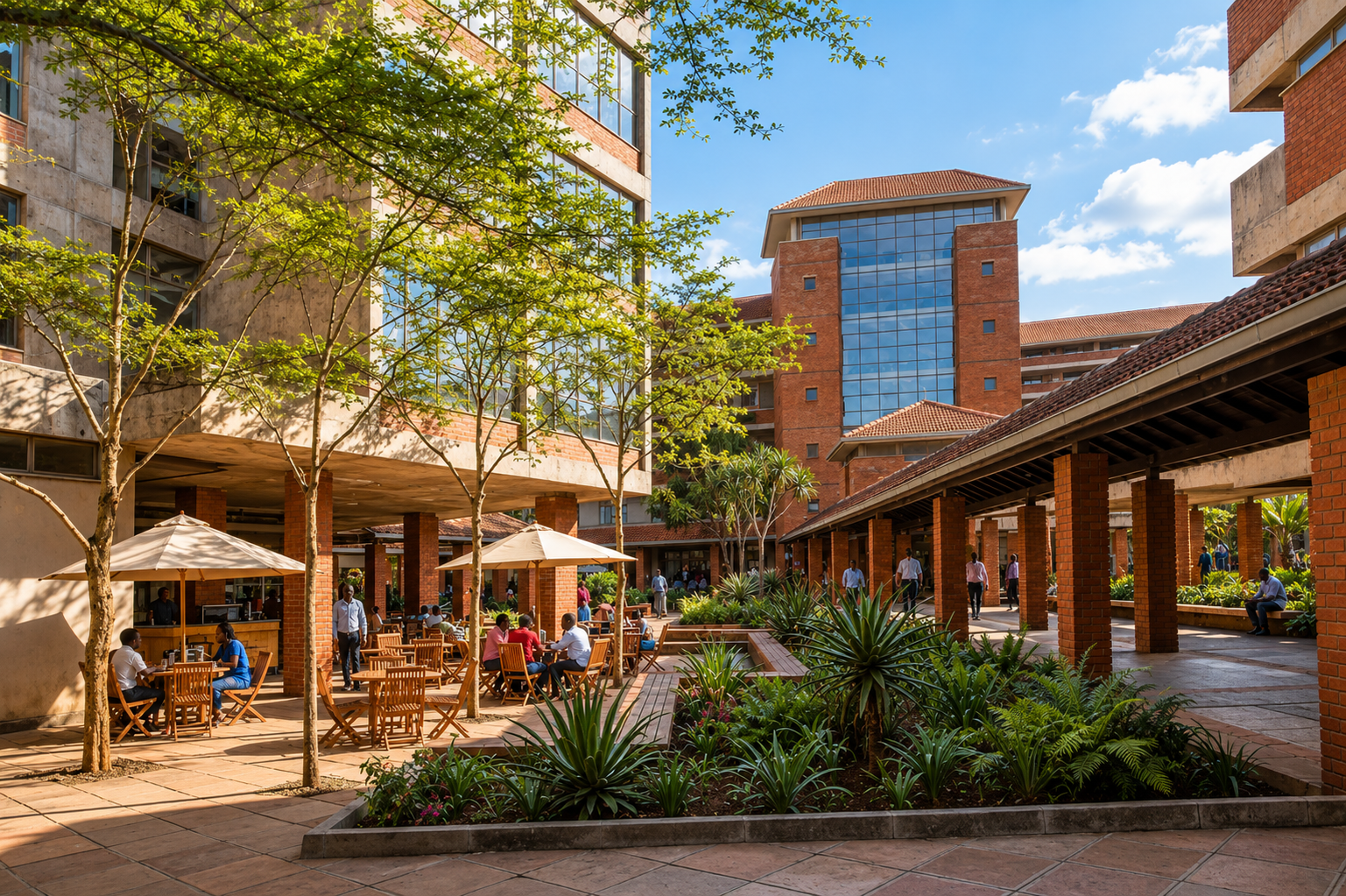
FNDA was selected to design the first major building on the newly designated university campus. The originally assigned site was positioned behind existing facilities, which raised long-term planning and circulation challenges. Through intensive work sessions and master planning charrettes, FNDA refined the program and delivered a design within 500 sq. ft. of the target area.
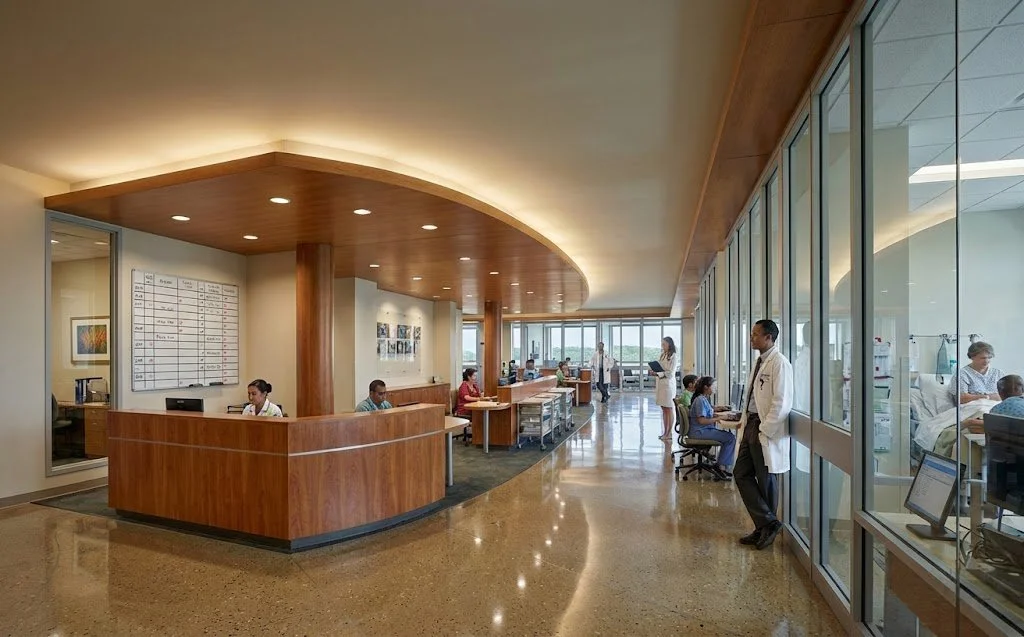
The project includes key medical facilities, Radiation therapy, CT Scan, central sterile supply, radiology, ICUs, operating theatres, cath lab, cardiothoracic ICU and maternity.
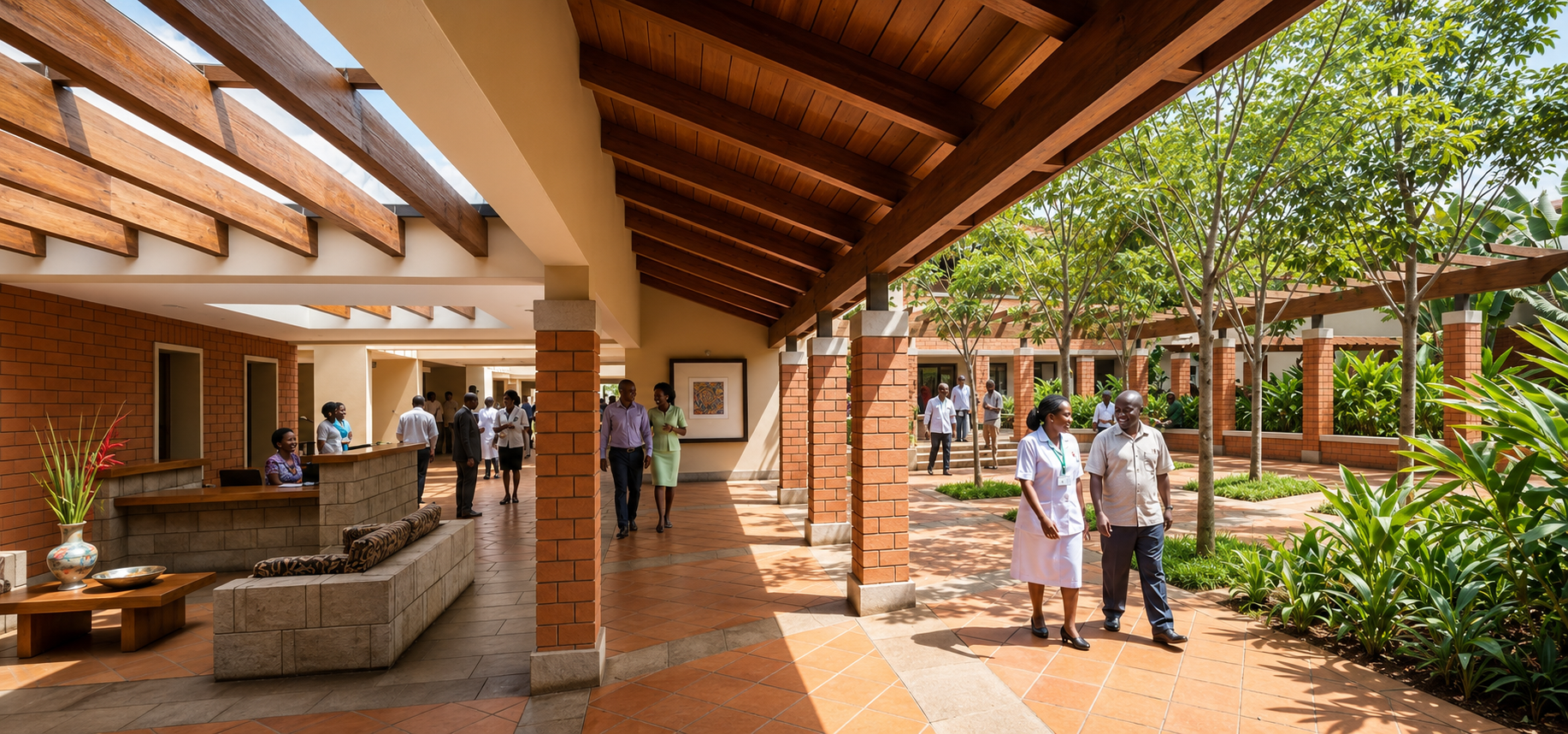
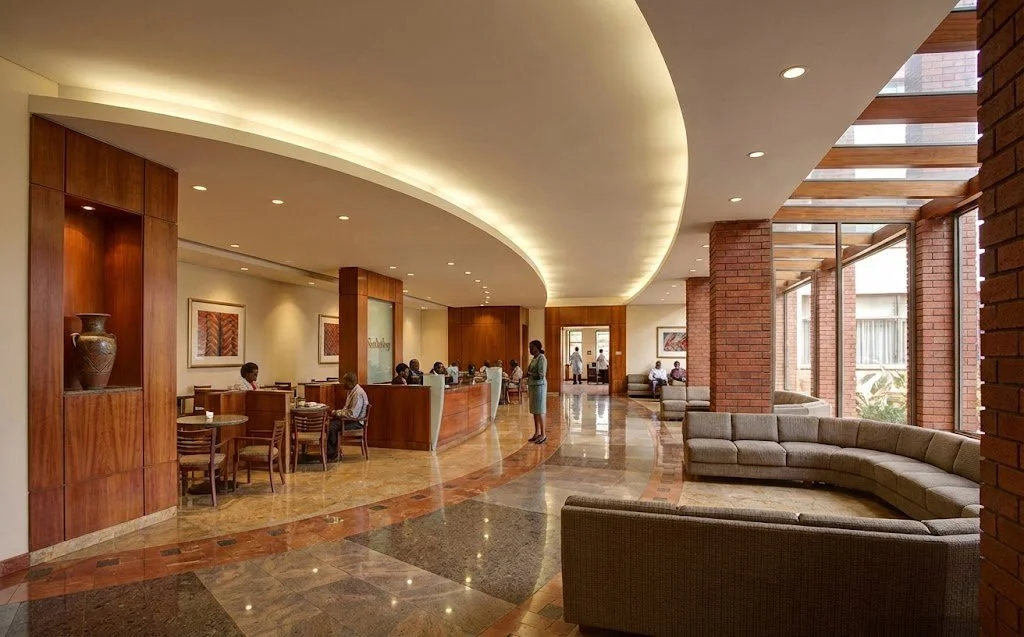
Traffic studies showed the new building would generate more movement than the rest of the campus combined, making the original location unworkable. FNDA proposed a transformative solution: relocating the main entrance and creating a new arrival zone with entry courtyards, a Porte cochere, waiting areas, a cafeteria, and extensive landscaping. The elevator tower was brought forward to form a landmark and redefine the campus center, and provide an easy wayfinding for the public coming to the hospital. This planning strategy resolves circulation issues and establishes a new identity for the evolving campus.
Project Name: The Green Earth Institute
Location: Biliza, Mozambique
Size: 15,000 sq. m.
Status: Concept Design
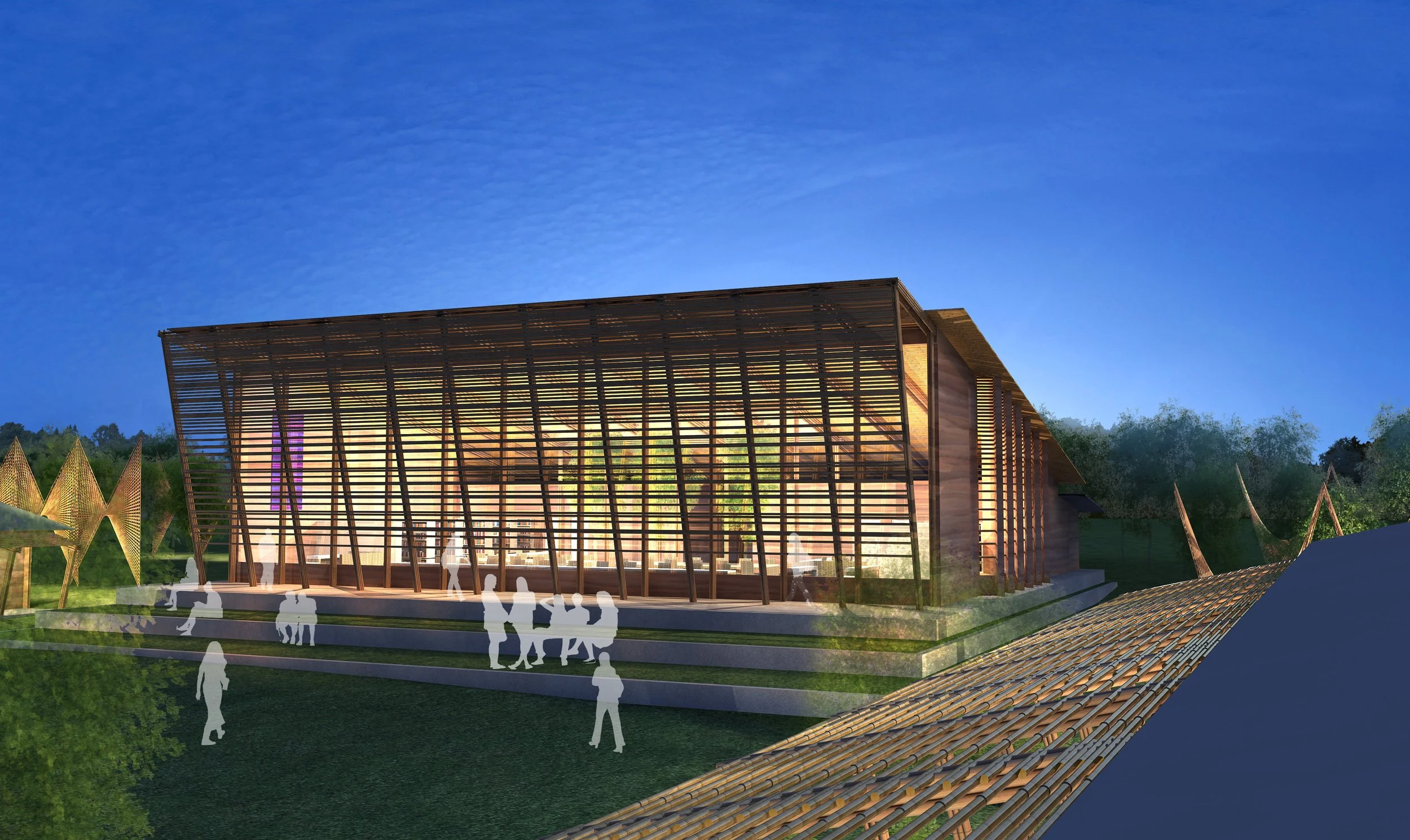
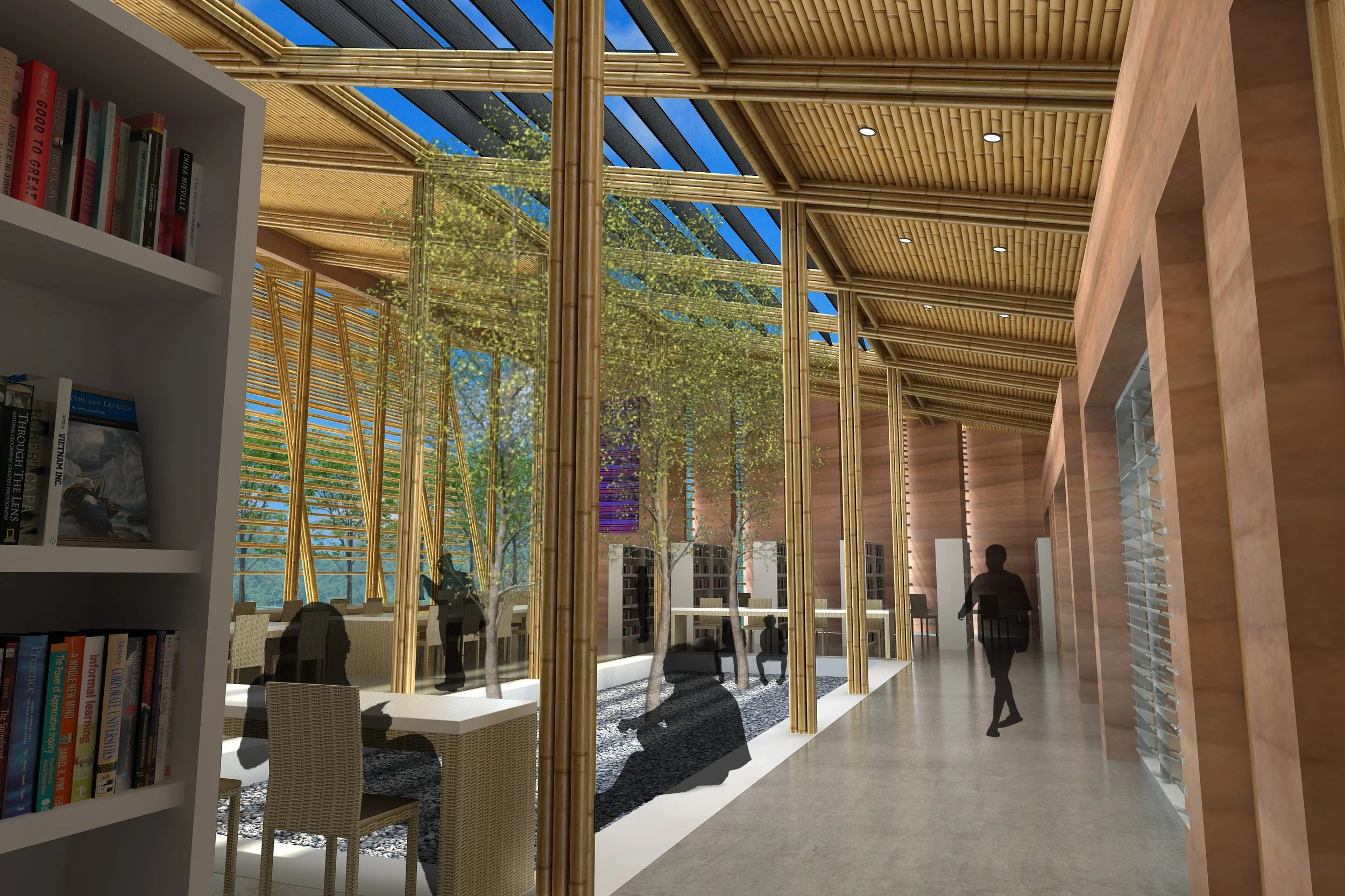
FNDA’s design philosophy is exemplified in the masterplan for the Green Earth Institute in Bilibiza, Mozambique, part of a broader initiative to establish agricultural colleges across the developing world that empower local communities through sustainable farming education. The project involves the strategic redevelopment of a dilapidated agricultural school into a cohesive, future-focused campus framework.
Developed in close collaboration with the client NGO, the masterplan prioritizes environmental sustainability, architectural distinctiveness, and meaningful community engagement. Drawing inspiration from local vernacular architecture, materials, and construction techniques, the planning approach promotes the use of local trades and resources, reducing transport demands, establishing a contextually grounded campus identity, and maximizing long-term social and economic benefits for the surrounding community.
Key Features: Integration of existing barracks-like facility into a world class agicultural vocational facility center. The campus looks great, creating shade structures and landscaped areas for students to gather. Presently, the facility has no focal point. The two wings of the existing facility are celebrated with the addition of the library and shade parasol.